Can you use retinoids in summer? How to use retinoids safely
Published on 30 July 2026One of the most common skincare myths is that retinoids should only be used during the winter months. Every year, as temperatures rise and UV levels increase, many people stop using their retinoid products because they worry they'll make their skin "too sensitive" to the sun.
In reality, this advice is often misunderstood. For most people retinoids can remain part of a skincare routine throughout summer. The important factors are how well your skin already tolerates the retinoid, whether it was introduced gradually and how consistently you protect your skin from ultraviolet (UV) exposure.1-4
The idea that retinoids are strictly "winter-only" ingredients oversimplifies the science. These ingredients do not need to be stopped simply because the weather is warmer. However, dryness or irritation can occur while the skin is adjusting, and a compromised skin barrier - including skin that feels red, sore or tender after significant sun exposure - can make retinoid use uncomfortable. In these situations, adapting the routine is more appropriate than following a fixed seasonal rule.1-3
Consultant Dermatologist Dr Emma Wedgeworth explains why summer should not mean automatically stopping a well-tolerated retinoid:
“Many people believe they should stop using retinoids during the summer months, but this is a common misconception. Retinoids can absolutely be continued year-round, provided they are introduced appropriately and combined with consistent daily SPF. The key is supporting the skin barrier, building skin tolerance gradually and reapplying sunscreen where needed, particularly during periods of increased sun exposure.”
Why are retinoids often treated as a winter-only ingredient?
The misconception comes from several facts being combined into one overly simple message.
First, retinoids support the skin's renewal process. When a new retinoid is introduced, some people experience temporary dryness, tightness, flaking or redness while their skin adapts. This adjustment period is often called retinisation.1-3 Skin that is already irritated may feel less comfortable when exposed to heat, chlorine, salt water or strong sunlight.
Second, several retinoids are sensitive to light and are therefore usually applied in the evening. This is primarily a formulation and stability consideration; it does not mean the ingredient must be avoided for an entire season.
Finally, UV levels are often higher and people tend to spend more time outdoors during summer. This increases the need for effective sun protection, but it does not automatically require a well-tolerated retinoid to be stopped.
Do retinoids make skin more sensitive to the sun?
Retinoids are often described as making skin "sun-sensitive", but the most useful way to understand this is through skin tolerance. During the early stages of use, temporary dryness or irritation can leave the skin feeling more reactive. Retinoids should therefore be introduced carefully, used according to the product directions and paused if the skin becomes significantly irritated or compromised.1-3
UV radiation can damage skin regardless of whether a retinoid is being used. The reason sun protection is particularly important in a retinoid routine is that unprotected UV exposure contributes to many of the concerns retinoids are used to improve, including premature skin ageing and uneven pigmentation.3-5
Why photoprotection is essential when using retinoids
Retinoids and sunscreen have complementary roles. A retinoid supports gradual skin renewal in the evening, while sunscreen helps protect the skin from further UV-induced damage during the day. Consistent photoprotection therefore supports both skin health and the long-term objectives of the retinoid routine.3-5
At Cantabria Labs, we recommend applying a very high-level, full-spectrum sunscreen from the HELIOCARE 360° range every morning as the final step in your skincare routine, including on cloudy days. SPF measures protection against UVB, while broad-spectrum protection also covers UVA, which contributes to premature skin ageing and uneven pigmentation. No sunscreen provides complete protection, so it should be combined with shade, protective clothing, sunglasses and a hat during prolonged or intense exposure.4,5
Apply sunscreen generously and, during prolonged or high-level outdoor exposure, reapply every two hours as well as after swimming, sweating or towel drying as a single morning application is unlikely to maintain the labelled level of protection throughout a full day outdoors.4

Six tips for retinoid use in summer
Rather than stopping automatically, use these dermatologist-led principles to adapt the routine to your skin and level of sun exposure.
1. Build tolerance before periods of high sun exposure
Avoid introducing a retinoid for the first time immediately before a beach holiday, outdoor event or trip to a destination with a much higher UV Index. Begin several weeks beforehand where possible, starting with a low frequency and increasing only as your skin becomes comfortable.1-3
A consistent routine that the skin tolerates is more valuable than progressing too quickly, developing irritation and then needing to stop for an extended period.
2. Use your retinoid in the PM and sun protection in the AM
Apply retinoids in the evening after cleansing and before any moisturisers. If you are new to retinoids, beginning twice weekly and increase usage according to skin tolerance. Every morning, complete your routine with a very high-level, broad-spectrum sunscreen such HELIOCARE 360°.
3. Protect the skin barrier and introduce complementary actives gradually
Build the routine around a gentle cleanser, a barrier-supporting moisturiser and daily photoprotection. Once the skin is comfortable with the retinoid, complementary antioxidant products such as vitamin C can be introduced gradually into the morning routine. Avoid adding several new active ingredients at once, particularly separate exfoliating acids, while the skin is still adapting.
4. Adjust frequency according to your skin
If heat, travel, swimming or air conditioning leaves your skin feeling drier than usual, reduce the retinoid from nightly use to every other evening or a few evenings per week. This allows you to maintain some consistency without pushing through irritation.
5. Do not apply retinoids to significantly irritated or compromised skin
If the skin becomes red, sore, peeling or tender after significant sun exposure, pause the retinoid and focus on gentle cleansing, moisturisation and protection until the skin has fully recovered. Reintroduce the product gradually rather than applying it to an already compromised barrier.
6. Store the product correctly
Retinol and retinal can be degraded by light, air and heat. Keep the product tightly closed, away from direct sunlight and excessive heat, and follow its storage and period-after-opening instructions. Do not leave it on a sunny windowsill or in a hot car.
Going on holiday: Should you continue, reduce or pause?
A holiday does not automatically mean you need to stop a retinoid. The decision should be based on your skin's current condition, your experience with the product and the amount of sun exposure you expect.
| Continue | Reduce | Pause |
|---|---|---|
| Your skin is already accustomed to the retinoid, feels comfortable and you can follow a consistent sun-protection routine. | Your skin feels drier than usual, you are newly introducing the product or the holiday involves prolonged outdoor exposure. Use it less frequently and prioritise barrier support. | Your skin is red, sore, peeling or significantly irritated after sun exposure. Wait until it has recovered before restarting. Tretinoin users should follow advice from their prescriber. |
For a sunny trip, we recommend following the below guidance:
- Apply a very high-level, broad-spectrum sunscreen, such as one from the HELIOCARE 360° range - generously every morning as the final step in your routine.
- Reapply every two hours during prolonged outdoor exposure and after swimming, sweating or towel drying.4
- Combine sunscreen with shade, protective clothing, a wide-brimmed hat and sunglasses.
- In the evening, cleanse gently and use the retinoid only when the skin feels comfortable, following with a barrier-supporting moisturiser as needed.
- Do not increase retinoid strength or introduce several new exfoliating products during the trip.
Common summer retinoid mistakes
Many of the concerns people experience during the summer aren't caused by retinoids themselves, but by avoidable skincare habits.
Some of the most common mistakes include:
- Starting a retinoid just a few days before a summer holiday.
- Stopping your retinoid every summer without reason.
- Forgetting to reapply sunscreen during prolonged outdoor exposure.
- Applying retinoids to significantly irritated or compromised skin.
- Using multiple exfoliating acids alongside a newly introduced retinoid.
- Assuming sun protection is not needed on cloudy days or near windows, even though UVA is present all year round and can pass through clouds and window glass.6
Avoiding these mistakes can help you continue your retinoid routine more comfortably while maintaining the visible benefits over time.
Build a year-round routine: Protect by day, renew by night
The most effective summer routine is not complicated. It combines appropriate evening renewal with consistent daytime protection.

Morning: Protect
At Cantabria Labs, we recommend applying HELIOCARE 360° as the final step in every morning routine. Choose a formula suited to your skin type and preferences, apply it generously to exposed skin and reapply every two hours during prolonged or high-level exposure, as well as after swimming, sweating or towel drying. Sunscreen should be used alongside shade, protective clothing, a hat and sunglasses. Take our sunscreen quiz to find your perfect HELIOCARE 360°.
Evening: Renew
Choose a retinoid formulation according to your skin concern, previous experience and tolerance rather than relying on season alone. How the retinoid is stabilised and delivered can influence both performance and comfort.
Within ENDOCARE, RETINDUO® Technology is used in advanced, high-strength retinoid formulations whose primary purpose is to improve the appearance of visible signs of skin ageing. It combines pure retinol in Microsponges with retinal in AOX-TECH nanovesicles, alongside a targeted natural booster complex, to support controlled retinoid delivery and skin tolerability. The technology is featured in ENDOCARE RENEWAL Retinoid Serum, the first step in the RENEWAL retinoid progression; ENDOCARE RENEWAL Retinoid Intensive Serum, developed for skin already accustomed to retinoids; and ENDOCARE RENEWAL Retinoid Eye Contour, a targeted formula for the delicate eye area.

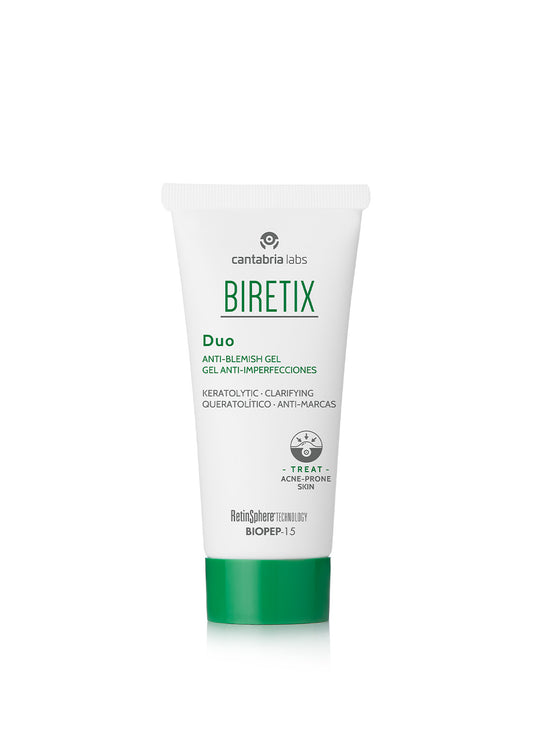
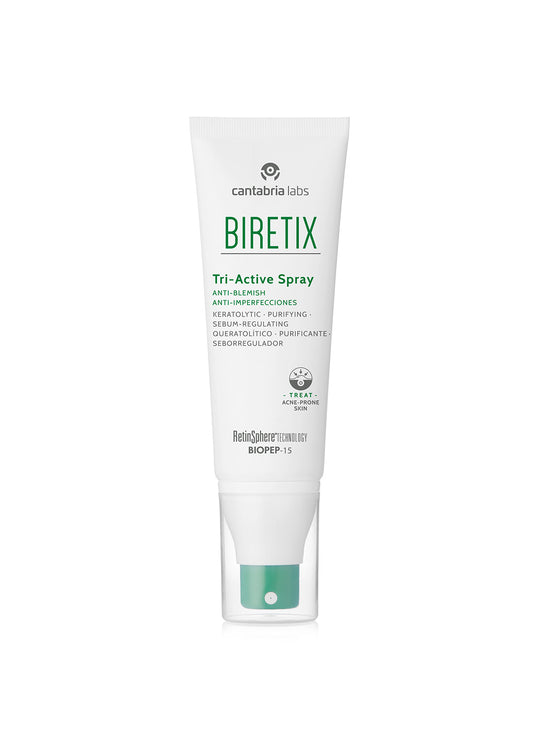
Within BIRETIX, RETINSPHERE® Technology is used in selected formulations for acne-prone skin. It combines hydroxypinacolone retinoate (HPR) with encapsulated retinol for gradual, controlled release. This delivery is particularly valuable in formulas that also contain complementary actives such as AHAs or BHAs, depending on the product, helping to improve the appearance of blemishes and imperfections while supporting optimum skin comfort. RETINSPHERE® is featured in BIRETIX Tri-Active Anti-Blemish Gel, BIRETIX Double Correction Serum and BIRETIX Duo Anti-Blemish Gel.

These technologies demonstrate why the finished formulation matters as much as the retinoid itself. A product designed to protect the active, release it appropriately and support skin comfort is more likely to fit into a consistent year-round routine than one selected on percentage alone.
The bottom line
For most people, retinoids can be used throughout summer. The calendar matters less than the condition of your skin, the way the product has been introduced and the quality of your sun-protection habits. If the skin is comfortable, continue consistently. If it becomes dry or irritated, reduce the frequency and support the barrier. If it becomes red, sore, peeling or tender after significant sun exposure, pause until it has recovered.
A dermatologist-led approach is therefore based on flexibility rather than an automatic summer stop: renew gradually in the evening, protect carefully during the day and choose a formulation your skin can tolerate over the long term.