Is sunscreen toxic? What the science really says
Published on 26 August 2026Claims that sunscreens contain “toxic chemicals” have become increasingly common particularly across social media. These posts can sound convincing, particularly when they refer to laboratory studies, industrial uses or ingredients with unfamiliar names. However, words such as chemical, toxic, hazard and risk are often used interchangeably, despite having very different scientific meanings.
Sunscreen ingredients do not simply appear in products without assessment. In the UK and European Union, UV filters are specifically regulated, finished cosmetic products must undergo a safety assessment, and sun protection claims must be supported by appropriate evidence.1-5
This means that concerns need to be considered in context: looking at the dose, concentration, route of exposure and how the finished product is intended to be used.
What does “chemical” actually mean?
The word chemical is often used online to suggest that an ingredient is artificial, harsh or inherently unsafe. Scientifically, however, a chemical is simply a substance made from atoms and molecules. Water, oxygen, vitamin C, plants, minerals and the human body are all made from chemicals.
This means that the common terms “chemical sunscreen” and “mineral sunscreen” can be misleading. Both types contain chemical substances. The more scientifically accurate terminology is:
- Organic UV filters - commonly described as “chemical” filters
- Inorganic UV filters - commonly described as “mineral” filters, such as zinc oxide and titanium dioxide
In this context, organic is a scientific term which refers to the chemical structure of the UV filter and does not mean naturally grown, environmentally preferable or certified organic. Similarly, inorganic does not mean chemical-free.
These terms describe different categories of UV filters - not different levels of safety or effectiveness. Whether an ingredient is organic, inorganic, naturally derived or synthetically produced does not determine whether it is safe. What matters is its properties, concentration, route of exposure, intended use and the findings of the relevant scientific safety assessment.

Are mineral sunscreens safer than “chemical” sunscreens?
Mineral and organic UV filters work in different ways and offer different formulation benefits, but neither category is inherently safer simply because of its origin. Both are effective at protecting against UV radiation, so sunscreens containing mineral filters, organic filters or a combination of both will provide effective protection when correctly formulated and tested.
- Organic UV filters absorb UV radiation and convert that energy into a lower-energy form releasing the energy as heat helping to prevent it from damaging the skin.
- Inorganic UV filters interact with UV radiation through a combination of absorption, scattering and reflection.
Many sunscreens combine different filters to provide effective UVA and UVB protection while also achieving the desired texture, stability, water resistance and finish.
Every permitted UV filter must meet the rigorous safety requirements set out in the UK Cosmetics Regulation. A mineral-only sunscreen may be a suitable preference for some people, including certain individuals with sensitive or reactive skin, but the term mineral should not be interpreted as automatically safer, more natural or free from chemicals.2,12
The most appropriate sunscreen is one that provides suitable protection, works for your skin and is comfortable enough to use consistently.13
Why context matters: Dose, exposure, hazard and risk
Claims about ‘toxic’ sunscreen ingredients often focus on what a substance may be capable of doing under a particular set of circumstances - for example, at a very high concentration, through a different route of exposure or in an industrial or laboratory setting.
The effects a chemical may have when eaten in very large amounts, inhaled or otherwise used under very different conditions are not the same as the effects expected when it is used in a small, controlled amount in a cosmetic product applied to the skin. Cosmetic safety professionals therefore first consider how much of an ingredient is used, the types of products it is used in, how those products are applied and how often. This allows them to estimate how much of the ingredient the body may actually be exposed to and compare that exposure with what is known about the ingredient’s properties to confirm that it can be used safely in cosmetics.6,13
This is where the distinction between hazard and risk becomes important.
A hazard is the inherent potential of a substance to cause harm under certain circumstances. Risk considers how likely that harm is to occur at a particular dose, through a particular route of exposure and under the conditions in which the substance is actually used.6,13
For example, concentrated acetic acid can be corrosive, while diluted acetic acid is the acid found in vinegar. Hydrogen peroxide can also present significant hazards at higher concentrations and has a range of industrial uses, while lower concentrations are used in household and medicinal products.17,18
These comparisons do not prove that an ingredient is automatically safe. Instead, they demonstrate why statements such as “this substance is also used industrially” or “this ingredient caused an effect in a laboratory study” provide limited information without further context.
To evaluate risk, scientific experts consider factors including:
- The concentration of the ingredient
- How much of the product someone is likely to use
- Where and how frequently it will be applied
- The route and duration of exposure
- Potential skin absorption
- The intended and reasonably foreseeable use of the finished product
This risk-based approach underpins cosmetic safety assessment in Great Britain and the European Union. Rather than asking only whether a substance could cause harm under any circumstances, safety assessors consider whether the finished cosmetic product is safe for human health at the proposed concentrations and under its normal or reasonably foreseeable conditions of use. A product can only be placed on the market once a suitably qualified safety assessor has confirmed that it is safe, and a large Margin of Safety is built into the safety calculations to provide a deliberately cautious safety buffer.1,2,4,6

How are sunscreen ingredients regulated?
These principles of dose, exposure and risk are not simply theoretical. They are built into the regulatory processes used to confirm that UV filters and finished sunscreen formulations are safe before the products can be sold.
UV filters are the ingredients within sunscreen that help protect the skin from ultraviolet radiation. Because of their protective function, the filters that may be used in cosmetic products are specifically controlled through cosmetics legislation.
In Great Britain, permitted UV filters and their conditions of use are set out in the UK Cosmetics Regulation. Only UV filters included in the Regulation may be used in sunscreen products, and any maximum concentrations or other conditions of use must be followed. The Scientific Advisory Group on Chemical Safety in Consumer Products (SAG-CS) is an independent expert committee that provides scientific advice on the safety of cosmetic ingredients to the Office for Product Safety and Standards (OPSS). Before a new UV filter can be added to the permitted list, it must undergo an in-depth safety review.2,3
Trading Standards has an enforcement role in ensuring that cosmetic businesses comply with the law.1,2
Northern Ireland continues to align with the relevant EU cosmetics rules under the Windsor Framework. The European Union operates a very similar regulatory and scientific committee system to Great Britain: permitted UV filters are controlled under the EU Cosmetics Regulation and scientific safety advice is provided by the Scientific Committee on Consumer Safety (SCCS).4,6
In both the UK and EU systems, only permitted UV filters may be used and any specified maximum concentrations or conditions of use must be followed. The permitted lists and conditions can be amended when scientific experts review new evidence.2,4
What happens before a sunscreen reaches the shelf?
Assessing an individual UV filter is only one part of the process. Before a cosmetic product can be made available to consumers, the complete formulation must also be assessed by a suitably qualified safety assessor.
The assessment considers the finished product rather than viewing one ingredient in isolation. Depending on the formulation, this includes information such as:
- The ingredients and their concentrations
- Toxicological information
- Expected exposure to the product
- Where and how frequently it will be applied
- The physical and chemical characteristics of the formulation
- Microbiological quality and product stability
- Packaging and potential impurities
- Normal and reasonably foreseeable conditions of use
The findings are recorded in a Cosmetic Product Safety Report, which forms part of the Product Information File held by the product’s Responsible Person. Before a cosmetic is made available in Great Britain, it must also be notified to the Office for Product Safety and Standards.1,2
A safety assessment cannot guarantee that no individual will ever experience irritation or an allergic reaction. People can be sensitive to ingredients that are safely used by most consumers. However, the assessment is designed to determine that the product is safe for human health under its intended and reasonably foreseeable conditions of use.1

Why some study findings don’t always reflect real-world sunscreen use
Laboratory, environmental and human studies can all contribute valuable scientific information. However, they may investigate very different questions and cannot necessarily be interpreted in the same way.
A laboratory study might expose cells to a concentration that is much higher than a person would encounter during normal sunscreen use. Environmental studies may likewise test concentrations far above those expected in real-world environments, or use organisms with different biology and sensitivity. These studies can still provide useful information, but the test conditions must be considered before drawing conclusions about likely real-world effects on people or the environment.
This does not mean that these studies should be ignored. It means that scientists must assess their quality, relevance and real-world applicability alongside the rest of the available evidence.
A cosmetic safety assessment may consider:
- The concentration tested
- The route and duration of exposure
- Whether the study reflects topical human use
- Potential skin absorption
- Expected consumer exposure
- Human data, where available
- Whether the findings are reproducible
- The overall weight of evidence
The existence of a hazard under one set of experimental conditions does not automatically demonstrate a meaningful risk from a finished sunscreen used as directed. The prescribed guidance for the safety assessment process therefore places emphasis on exposure assessment, systematic evidence review and scientifically appropriate risk-assessment methods.6
Why sunscreen matters
The debate around sunscreen ingredients should not distract from the well-established effects of excessive ultraviolet exposure.
Both UVA and UVB radiation can damage the skin. UV exposure can cause sunburn, contribute to premature skin ageing and increase the risk of developing skin cancer.15 Sunscreen should therefore form part of a broader sun-protection approach that includes seeking shade, wearing protective clothing, using a hat and sunglasses, and avoiding unnecessary exposure during periods of intense UV.16
No sunscreen provides complete protection, and it should never be used as a reason to remain in direct sun for longer. Apply a sufficient amount, follow the individual product instructions and reapply regularly during prolonged exposure, particularly after swimming, sweating or towel drying.16

How to choose a sunscreen you will use consistently
When comparing sunscreens, look beyond simplistic labels such as “chemical”, “clean” or “non-toxic”. Instead, consider whether the product:
- Offers high or very high protection appropriate for your needs
- Provides both UVA and UVB protection
- Is suitable for your skin type
- Has an appropriate level of water resistance for your lifestyle/activities
- Feels comfortable enough to apply in the recommended quantity
- Can be reapplied when required
Texture and cosmetic finish are not superficial details. A sunscreen that works well with your skin, skincare, make-up and daily routine is more likely to be applied consistently.

To conclude
Calling an ingredient a “toxic chemical” may create a compelling headline, but it does not provide enough information to determine whether a sunscreen is safe.
Everything is made from chemicals, including mineral and plant-derived ingredients. What matters is the substance, concentration, exposure, intended use and full body of scientific evidence.
In the UK and EU, UV filters are specifically regulated, finished cosmetic products require a professional safety assessment, and SPF and UVA claims must be appropriately substantiated. Scientific opinions and regulatory requirements can also be updated when new evidence becomes available.
It is reasonable and responsible to ask questions about the products used on your skin. The most useful answers, however, come from considering the complete evidence rather than isolated words, studies or ingredient comparisons.
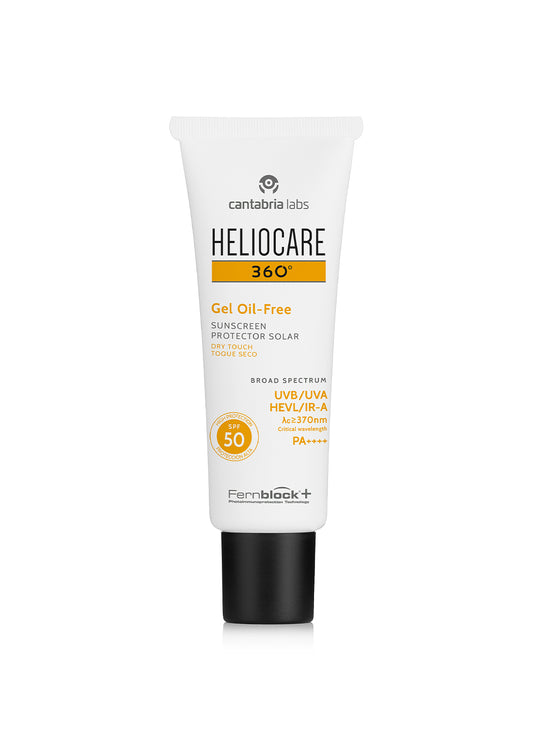
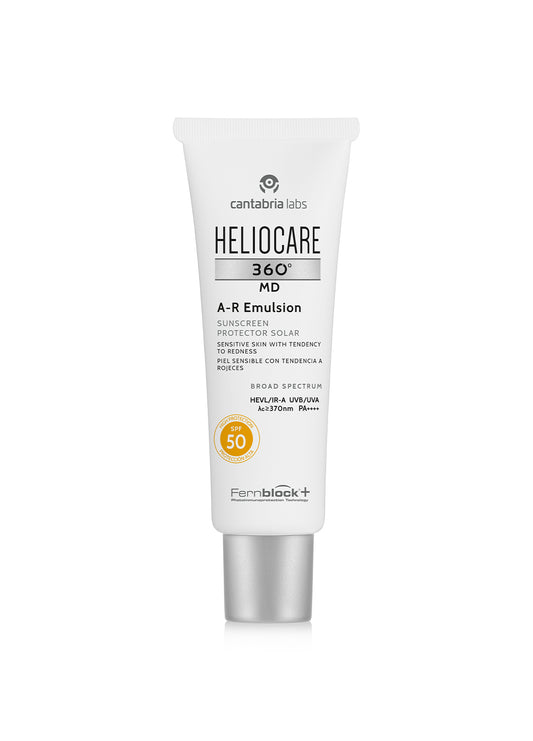
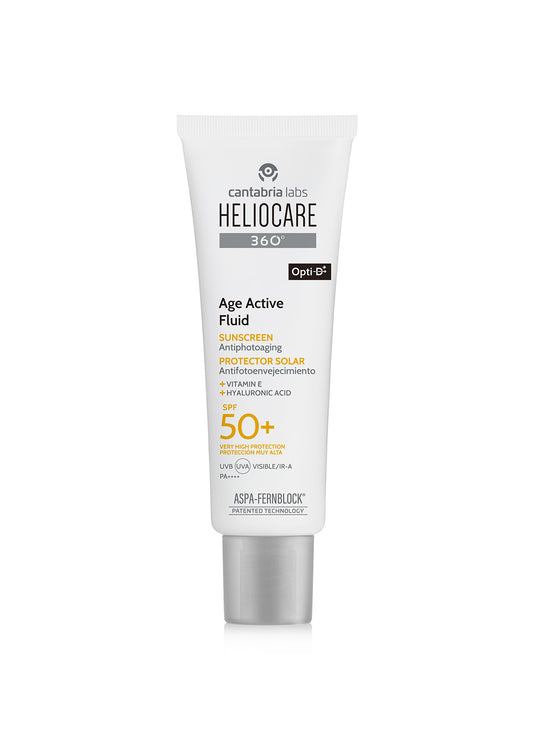
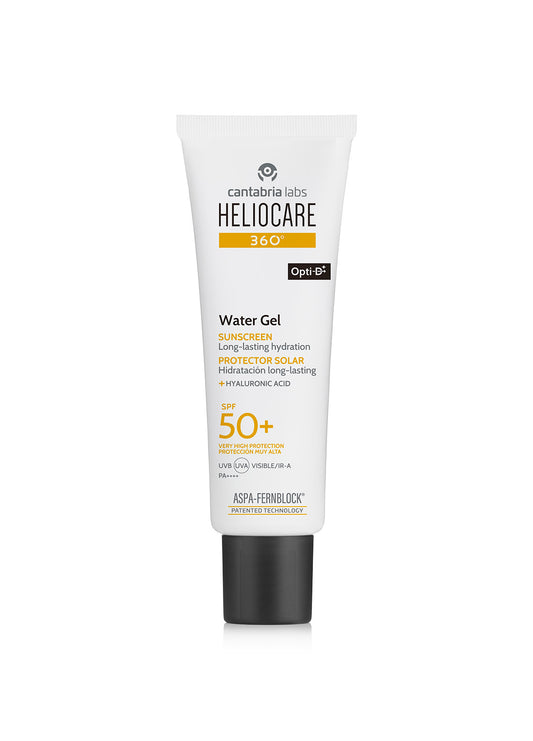
Nothing protects skin like HELIOCARE 360°
Discover very high level, full-spectrum daily protection against UVA, UVB, visible light and infrared-A.