What are retinoids? Benefits, types and how they work
Published on 28 July 2026Retinoids are among the most extensively researched ingredients used in cosmetic skincare and dermatology. Derived from vitamin A, they are recognised for their ability to support the skin's natural renewal process, helping to improve the appearance of fine lines, wrinkles, uneven skin tone, rough texture and blemish-prone skin over time.1,3
Although the term "retinoid" is often used interchangeably with "retinol", the two are not the same. Retinoids are actually a family of vitamin A derivatives, with different forms varying in strength, how they are converted within the skin and how they are formulated. Understanding these differences can help you choose the most appropriate product for your skin concerns and goals.
Whether you are new to retinoids or looking to deepen your understanding, this article explores the science behind one of the most extensively researched ingredient families in dermatological skincare. Discover how retinoids work within the skin, the different types available, the effects they have on skin physiology and the formulation considerations that influence both efficacy and skin tolerance. It also explains how to introduce retinoids into a skincare routine to support their safe and effective use.
This article explores:
- What retinoids are and how they work within the skin
- The different types of cosmetic retinoids
- The effects of retinoids on skin health and appearance
- How to introduce retinoids into a skincare routine
- Why formulation technology influences efficacy and skin tolerance
- Key considerations for the safe and effective use of retinoids
What are retinoids?
Retinoid is the umbrella term for a group of ingredients related to vitamin A. Once active in the skin, retinoids communicate with specialised receptors within skin cells. These receptors act like switches, helping to regulate how skin cells renew, mature and behave.1-3
Because this signalling affects several processes at once, retinoids can support more than one skin concern. Their benefits develop gradually over weeks and months, so they are best viewed as long-term skincare ingredients rather than an instant resurfacing treatment.1,3

Although retinoids differ in their chemical structure and mechanism of action, they all act through retinoid signalling pathways within the skin. The way in which these pathways are activated varies between retinoid technologies. Some require one or more metabolic conversion steps before becoming biologically active, whereas others are able to interact more directly with retinoid receptors. These differences can influence both efficacy and skin tolerability.2
It is also important to distinguish cosmetic retinoids from tretinoin. Tretinoin is retinoic acid itself - the form the skin can use directly - and is a prescription medicine used under clinical supervision. Cosmetic forms such as retinol, retinal, and retinyl esters must first be converted by the skin into retinoic acid, requiring different numbers of enzymatic steps depending on the form, and are not directly interchangeable with tretinoin.2,3,6
The different types of retinoids
Cosmetic retinoids, including retinol, retinal and HPR (hydroxypinacolone retinoate), are vitamin A derivatives used in non-prescription skincare to support gradual improvements in skin texture, tone, blemishes and visible signs of ageing. Tretinoin is different because it is retinoic acid in its active form and is available only on prescription in the UK. Because it acts directly with no conversion required, it tends to deliver visible results more quickly, but it also carries a greater risk of irritation and should be used under medical guidance.
Retinoids are sometimes presented as a simple ladder from weakest to strongest, but this can be misleading. A more useful comparison considers how each form becomes active, the evidence behind it and how the finished product protects and delivers it to the skin.1-3
Retinyl esters
Traditional retinyl esters, such as retinyl palmitate and retinyl propionate, are vitamin A derivatives that need several conversion steps before becoming retinoic acid. They are often used in cosmetic formulas designed to provide gradual activity and good skin comfort. However, their performance depends on the specific ester, its concentration and the complete formulation.1,3
Retinol
Retinol is the best-known cosmetic retinoid and has a long history of use in anti-ageing skincare. The skin converts it first into retinal and then into retinoic acid. Retinol is generally easier to stabilise than retinal, but it is still sensitive to light, air and heat. Packaging, storage and delivery technology therefore influence how well it performs. This is why the percentage on the label does not tell the full story.3
Retinal (Retinaldehyde)
Retinal - also known as retinaldehyde - sits one conversion step away from retinoic acid. This makes it an effective cosmetic retinoid, but it is also more chemically reactive and less stable than retinol. Careful stabilisation, protective packaging and the wider formula are especially important.1,3
Hydroxypinacolone retinoate (HPR)
HPR is short for hydroxypinacolone retinoate. It is an ester of retinoic acid and is different from traditional retinyl esters such as retinyl palmitate. Laboratory research suggests that HPR can interact with retinoid pathways without following the same two-step conversion route as retinol. Its clinical evidence is growing, although it is currently less extensive than the evidence for retinol, retinal and tretinoin.7,8
HPR is therefore best understood as a distinct cosmetic retinoid, often used alongside other retinoids within combination technologies. It should not automatically be described as stronger, faster or gentler than every other form; its performance depends on the finished formulation and delivery system.
Tretinoin
Tretinoin is retinoic acid itself, so it does not need to be converted by the skin. It has the most extensive clinical evidence among topical retinoids for photoageing and is also used medically in acne management. As it is more likely to cause dryness, redness and peeling, it should only be used as prescribed and monitored by a qualified healthcare professional.2,3,6

Learn more about retinol vs retinal vs tretinoin
How do retinoids work in the skin?
Healthy skin continually renews itself through a process known as epidermal turnover, in which older skin cells are naturally shed and replaced with new ones. In younger skin, this cycle typically takes around 28 days, although it gradually slows with age and can also be influenced by factors such as cumulative UV exposure and environmental stressors.2,5
Retinoids help support this natural renewal process by interacting with specialised receptors found within skin cells. Cosmetic retinoids need to be changed by the skin into retinoic acid before they can provide their full retinoid activity. Once converted into retinoic acid, they bind to retinoic acid receptors (RARs), to help regulate skin-cell renewal. This can improve the way cells mature and are shed. Around the pores, it can help reduce the build-up of cells that contributes to congestion; within photoaged skin, retinoid activity also supports processes involved in maintaining the skin's collagen-rich support structure.1,2,5
As a result, regular use of retinoids can help encourage a more efficient skin renewal cycle, contributing to smoother, brighter and more refined-looking skin over time. They may also help improve the appearance of uneven pigmentation and support a more even skin tone by promoting the gradual replacement of older, pigmented skin cells.1,2
Retinoids are not the same as exfoliating acids. AHAs and BHAs mainly work at or near the skin's surface to loosen dead skin cells, whereas retinoids influence how skin cells behave and renew. Some dryness or flaking can occur while the skin adjusts, but peeling is a side effect - not proof that the product is working.1-3
What are the benefits of retinoids?
Retinoids are widely used in dermatologist-led skincare because they can address several visible concerns at the same time. Their versatility has made them one of the most extensively studied and widely used ingredient families in dermatological skincare. How quickly results appear depends on the retinoid, the complete formula, how often it is used, the starting condition of the skin and how consistently the routine is followed.1-3
Helps improve fine lines, wrinkles and other signs of photoageing
One of the most well-established benefits of retinoids is their ability to improve the appearance of visible signs of skin ageing. With consistent use, cosmetic retinoids can help reduce the appearance of fine lines and wrinkles while promoting smoother, firmer-looking skin.2,6
Ageing and repeated UV exposure can weaken the structures that help keep skin looking firm and smooth. Retinoid activity can support processes involved in maintaining these structures, which helps explain the gradual improvements seen in wrinkles, firmness and overall skin quality with continued use.1,5,6
Supports acne-prone skin
Retinoids play an important role in medical acne care because they help prevent skin cells from building up inside the pores. Cosmetic retinoid technologies can also support renewal, texture and a clearer-looking complexion as part of a daily routine for acne-prone skin.2,10
Persistent, moderate or severe acne should be assessed by a healthcare professional. Cosmetic skincare can support the skin, but it is not a replacement for appropriate medical treatment when this is needed.
Promotes a more even-looking skin tone
By supporting regular skin renewal, retinoids can help improve the appearance of uneven pigmentation, including sun-induced uneven tone and marks left after blemishes. These changes take time, and ongoing UV exposure can continue to trigger pigmentation.1,3,6
Refines rough texture and enlarged-looking pores
Retinoids can help reduce the build-up of dead skin cells and support a smoother, more even-looking surface. Pores do not physically open and close, but they may appear less noticeable when congestion and uneven texture are improved.1-3
Learn about when to start using retinoids
Why long-term, consistent use is recommended
Retinoids work gradually. Improvements in skin texture may be noticed first, while changes in fine lines, blemishes, pigmentation and overall skin quality often take several months. Continued use at a frequency the skin can comfortably tolerate is usually needed to build and maintain visible results.3,6
This is why the most effective retinoid is not automatically the one with the highest percentage. A well-formulated product that can be used consistently is more valuable than an intensive formula that repeatedly causes irritation and has to be stopped.
Why retinoid formulation matters
The retinoid name and percentage do not explain how a finished product will perform. Retinoids are delicate ingredients that can break down when exposed to light, oxygen or heat. Packaging, encapsulation, the product texture and the ingredients used alongside the retinoid can all influence stability, delivery and skin comfort.3
Advanced delivery systems can help protect retinoids and release them more gradually. Hydrating and barrier-supporting ingredients may also make the formula easier to tolerate. These details matter because a product can only deliver long-term benefits when it remains stable and can be used consistently.
Cantabria Labs retinoid technologies
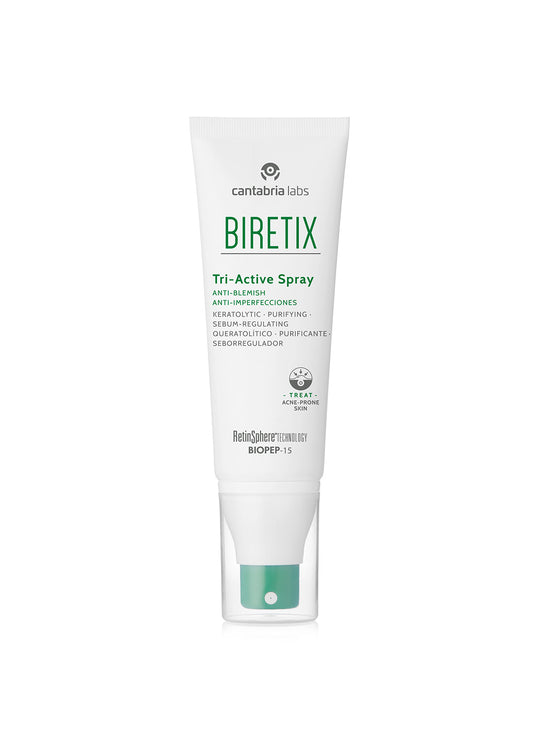
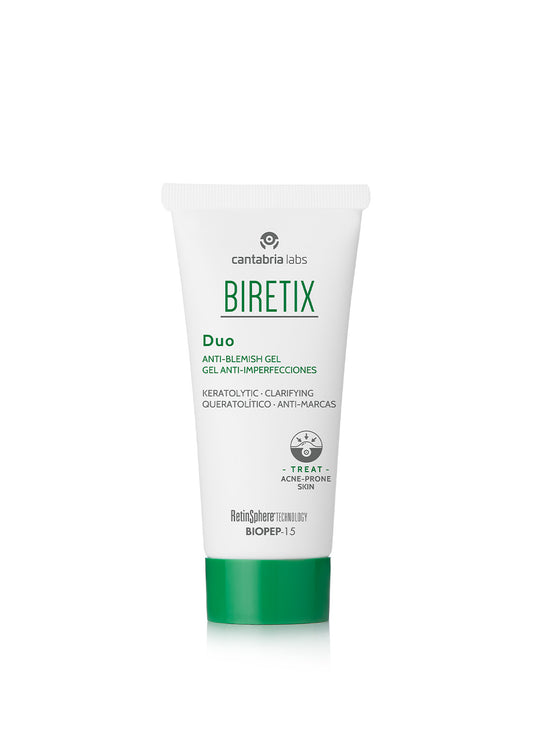
Cantabria Labs uses two main retinoid technologies, each developed for a different skincare focus rather than positioned on one universal strength ladder. RETINDUO® is used within ENDOCARE for visible signs of skin ageing, while RETINSPHERE® is used within BIRETIX for acne-prone skin.
| Technology | How the technology works | Primary skincare focus |
|---|---|---|
| RETINDUO® | Combines pure retinol in a progressive-release microsponge system with AOX Tech-encapsulated retinal and a natural booster complex. These complementary delivery systems help protect the retinoids and support controlled skin renewal. | Used within ENDOCARE for visible signs of skin ageing, with a focus on texture, tone and signs of photoageing. |
| RETINSPHERE® | Combines HPR with retinol encapsulated in glycospheres for gradual, controlled delivery. This approach supports tolerability in BIRETIX formulas that may also contain AHAs or BHAs. | Used within BIRETIX for acne-prone skin, with a focus on renewal, blocked pores, texture and visible clarity. |
Why photoprotection is essential when using retinoids
Sun protection and retinoids should be viewed as part of the same skincare strategy. UV exposure is one of the main causes of premature skin ageing and can contribute to uneven pigmentation. Without daily protection, continued exposure can work against the visible improvements a retinoid routine is designed to support.12,13
This does not mean that every retinoid automatically makes the skin dangerously sensitive to sunlight. However, many retinoids are light-sensitive, which is one reason they are normally used in the evening. Dryness or irritation during the adjustment period can also make sun-exposed skin feel more uncomfortable. Daily photoprotection therefore supports both skin comfort and long-term results.3,11
We recommend following the below guidance:
- Apply a very high-level, broad-spectrum sunscreen, such as one from the HELIOCARE 360° range - generously every morning as the final step in your routine – use at least two fingers worth of product and extra for the neck and ears ensuring to apply to the eyelids and into the hairline.
- Reapply every two hours during prolonged outdoor exposure and after swimming, sweating or towel drying.4
- Combine sunscreen with shade, protective clothing, a wide-brimmed hat and sunglasses. Avoid deliberate tanning and limit exposure when UV levels are highest.
- In the evening, cleanse gently and use the retinoid only when the skin feels comfortable, following with a barrier-supporting moisturiser as needed.
- Do not increase retinoid strength or introduce several new exfoliating products during the trip.
Retinoids can generally remain part of a year-round routine when they are introduced gradually, the skin barrier is supported and daily photoprotection is maintained. During holidays, periods of intense sun exposure or active irritation, the frequency may need to be reduced according to skin tolerance.3,11-13
“Retinoids don't need to be stopped during summer - they simply need to be used responsibly.”
Learn more about how to use retinoids safely in summer

How to introduce retinoids safely
The safest approach is to start slowly and build up according to how the skin responds. A retinoid does not need to make the skin peel or feel inflamed to be effective. Begin with a low frequency, monitor comfort and increase only when the current schedule is well tolerated.2,3,11
- Start with two evenings per week. Keep to this frequency for at least two weeks, or longer if the skin is still adapting.
- Use a pea-sized amount for the whole face. Applying more will not produce faster results and is more likely to cause irritation.
- Apply to clean, dry skin. Allowing the skin to dry fully before application may reduce stinging for sensitive skin.
- Follow with a moisturiser. A gentle, barrier-supporting moisturiser can help reduce dryness and make the routine easier to maintain.
- Increase gradually. Move to every other evening and then more frequently only when the product instructions allow and the skin remains comfortable.
- Keep the rest of the routine simple. Avoid adding several exfoliating acids or other potentially irritating actives at the same time.

When using tretinoin, always follow the instructions given by your prescriber. Do not change the strength or frequency without discussing it with the healthcare professional managing your treatment.
Learn how to use retinoids in an anti-ageing skincare routine
What to expect during retinisation
Temporary dryness, tightness, mild redness or light flaking can occur when a retinoid is first introduced or used more often. This adjustment period is sometimes called retinisation and usually improves when the routine is introduced gradually and supported with gentle skincare.1-3
Reduce the frequency if irritation becomes persistent. Stop and seek professional advice if you experience marked burning, swelling, blistering, a significant eczema flare or discomfort that does not settle. Irritation is not a sign of better results.

Learn more about retinoid side effects and how to manage them
Who should avoid retinoids or seek professional advice?
As a precaution, cosmetic retinoids are generally not recommended during pregnancy or while breastfeeding unless a qualified healthcare professional has specifically advised otherwise.
People with active eczema, a rosacea flare, ongoing irritation or a significantly weakened skin barrier should seek advice before starting. It may be more appropriate to restore skin comfort first and then introduce a retinoid gradually.
Anyone with persistent acne, scarring, painful inflammatory blemishes or a sudden change in their skin should speak to a GP, pharmacist or dermatologist rather than relying on cosmetic skincare alone.10
Key takeaways
- Retinoid is the umbrella term; retinol is one member of the vitamin A family.
- Retinyl esters, retinol and retinal follow the conventional conversion pathway towards retinoic acid, while HPR follows a different route and tretinoin is retinoic acid itself. These forms are not directly interchangeable.
- Visible improvement takes time. Consistent use and good skin tolerance matter more than chasing the highest percentage.
- Daily broad-spectrum photoprotection is essential, particularly when targeting signs of photoageing or pigmentation.
- The complete formula - including delivery systems, packaging and barrier support - influences how well a cosmetic retinoid performs.
Explore Cantabria Labs retinoid solutions
Cantabria Labs retinoid technologies are available across targeted ENDOCARE and BIRETIX formulations:
RETINDUO® is featured within ENDOCARE’s advanced, high-strength cosmetic retinoid formulations, designed primarily to improve the appearance of visible signs of skin ageing, including fine lines, wrinkles, uneven tone and skin texture. It is found in:
- ENDOCARE RENEWAL Retinoid Serum
- ENDOCARE RENEWAL Retinoid Intensive Serum
- ENDOCARE RENEWAL Retinoid Eye Contour
RETINSPHERE® is included across selected BIRETIX products for acne-prone skin. It combines complementary retinoids with other active ingredients, including AHAs and BHAs, to help improve the appearance of blemishes, imperfections, blocked pores and uneven texture while supporting optimal skin comfort. It is found in: