Sun safety simplified: Dermatologist-recommended steps to protect your skin
Published on 20 May 2026
Skin cancer rates continue to rise across the UK, yet much of this is preventable. 86% of melanoma is linked to UV exposure, and 7 people die every day in the UK from melanoma1. As a Consultant Dermatologist, one of the most important conversations I have with patients is around daily sun protection and early detection.
Many people still associate sun damage with holidays abroad or hot summer days, but here is something worth remembering: your skin has an excellent memory. It remembers every single time you have ever been outdoors. Every walk, every quick nip out to the car, every afternoon sat in the park, every tan, every time you were caught out and burnt: it all adds up. Ultraviolet (UV) exposure happens every day, even in the UK climate, and in fact, the majority of my patients with significant sun damage have lived in the UK their whole lives. The idea that you cannot get sun damage here is simply a myth. Furthermore, UVA rays penetrate cloud and glass, which means your skin is exposed during your commute, while sitting near a window, walking outdoors or driving.
Understanding the different types of skin cancer
Conversations about skin cancer often focus on melanoma, and for good reason: it is the most serious type and is responsible for most skin cancer deaths. However, melanoma is not the whole picture. The two most common skin cancers are basal cell carcinoma and squamous cell carcinoma, and they deserve attention too.
Melanoma
Melanoma is less common than the other two types but the most dangerous, because it has a significant potential to spread to other parts of the body. Early detection makes an enormous difference to outcomes, which is why knowing your own skin matters so much.
Squamous cell carcinoma (SCC)
SCC is discussed less often than melanoma because mortality rates are lower, but it should not be underestimated. SCC has a real potential to metastasise, which is why prompt assessment and treatment are important.
Basal cell carcinoma (BCC)
BCC is typically described as a low-grade skin cancer and does not usually pose a threat to overall health. However, if left untreated, BCCs continue to grow locally. Because they tend to develop on sun-exposed areas such as the face, people are frequently left with prominent and sometimes disfiguring scarring once they are treated. Catching and treating them early helps avoid this.
Dermatologist-recommended steps to protect your skin
The good news is that consistent, daily sun protection can meaningfully reduce the risk of skin cancer, premature skin ageing and long-term skin damage. That is why I encourage patients to follow three simple but clinically important steps.
Step 1: Protect your skin daily with broad-spectrum sunscreen
Daily sunscreen use is one of the most effective ways to help prevent sun damage and reduce skin cancer risk.
When choosing a sunscreen, look for:
- Broad-spectrum protection against UVA and UVB rays
- SPF30+ as a daily minimum, ideally SPF50+
- Additional antioxidant support where possible
Many patients only apply sunscreen on holiday or during periods of strong sunshine. However, cumulative daily UV exposure is one of the major contributors to both photoageing and skin cancer development.
UVA radiation is present throughout the year and penetrates deeply into the skin, contributing to collagen breakdown, pigmentation and DNA damage. UVB rays are primarily responsible for sunburn and direct cellular damage linked to skin cancer.
Consistency is key. Sunscreen should be applied every morning as the final step in your skincare routine and reapplied regularly during prolonged outdoor exposure.

Step 2: Combine topical sunscreen with additional photoprotection measures
Sunscreen is essential, but comprehensive sun protection should always involve multiple protective measures. In dermatology, we refer to this as a layered approach to photoprotection.
This includes:
- Seeking shade during peak UV hours (11am-3pm)
- Wearing sunglasses, hats and protective clothing
- Avoiding both sunburn and tanning
- Reapplying sunscreen regularly throughout the day

Why both tanning and burning are harmful
Many people think a tan is healthy; this is a common misconception, and it is simply not true. A tan is a sign of skin damage. Any change in your skin colour, whether you burn or tan, means the skin is in distress and reacting to UV. Sunburn is the more serious end of the scale, but a tan is still your skin telling you it has been harmed. When outdoors, the aim should be to not allow your skin to change colour at all.
Step 3: Check your skin regularly and know the signs
Early detection plays a critical role in improving skin cancer outcomes. I encourage all patients to become familiar with their own skin and to monitor for any new, changing or unusual lesions. A monthly self-check is a simple habit that helps you notice suspicious changes earlier.
A useful guide is the ABCDE rule:
- A – Asymmetry: one half of the mole looks different from the other.
- B – Border: edges appear irregular, blurred or uneven.
- C – Colour: there are multiple colours or uneven pigmentation.
- D – Diameter: the lesion is larger than approximately 6mm, although it is important to know that skin cancers can be smaller than this.
- E – Evolving: the mole changes in size, shape, colour or sensation.

Figure 1: ABCDE characteristics used to identify potential warning signs of melanoma. Adapted from Melanoma UK guidance on skin checks and melanoma recognition
If you notice any concerning changes, it is important to seek professional assessment promptly. Your GP will be able to make an initial assessment, and if there is any uncertainty, dermatologists are trained to identify subtle signs of skin cancer that may not be obvious to the untrained eye.
Some people are keen to have a professional skin check on a regular basis. An annual skin check can be appropriate for certain individuals, and it is worth discussing with your doctor whether this would be suitable for you, depending on your personal risk factors. These include fair skin, a history of sunburn, a large number of moles, or a family history of skin cancer. It is also worth knowing that certain medications, such as some immunosuppressants, can increase skin cancer risk.
Sun protection across all skin tones
Skin cancer risk is not the same for everyone. It is more common in fairer skin tones and less common in darker skin tones. However, that does not mean sun protection is only relevant for fair skin. Applying the same daily habits across all skin tones supports overall skin health, and helps reduce pigmentation and the visible signs of ageing, which can affect anyone. Sun protection is for everybody.
Why daily sun protection matters year round
One of the biggest misconceptions about sunscreen is that it is only needed during summer or in sunny weather. In reality, UV exposure occurs throughout the year in the UK, and even on cloudy days UVA continues to penetrate the skin and contribute to long-term damage.
Alongside reducing the risk of melanoma and non-melanoma skin cancers, daily photoprotection also supports healthier skin by helping to prevent:
- Premature skin ageing
- Hyperpigmentation
- Fine lines and wrinkles
- Loss of collagen and elasticity
- Sun-induced inflammation
Protecting your skin consistently today can have a significant impact on your skin health in years to come.
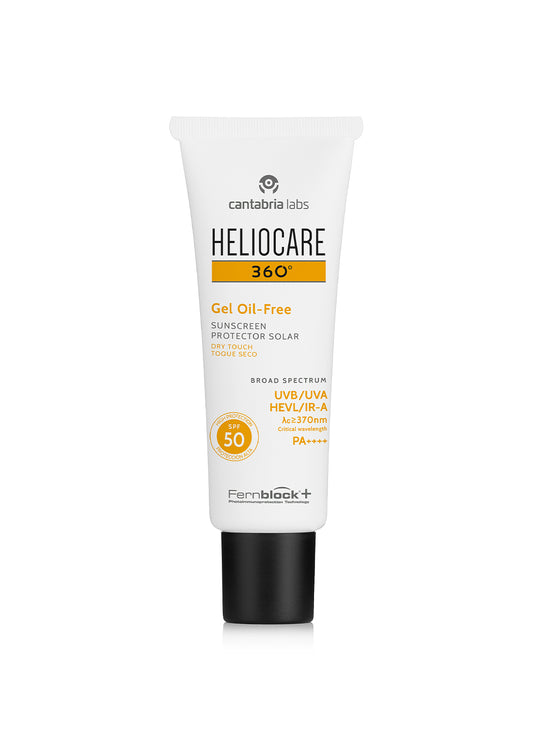
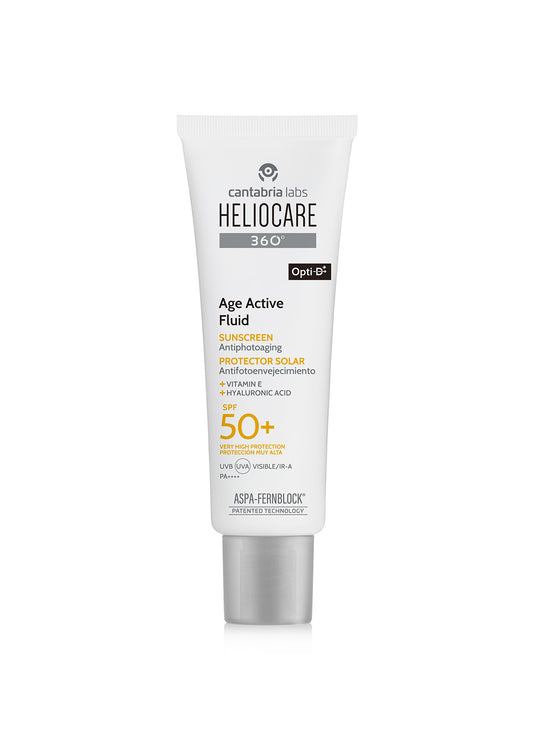
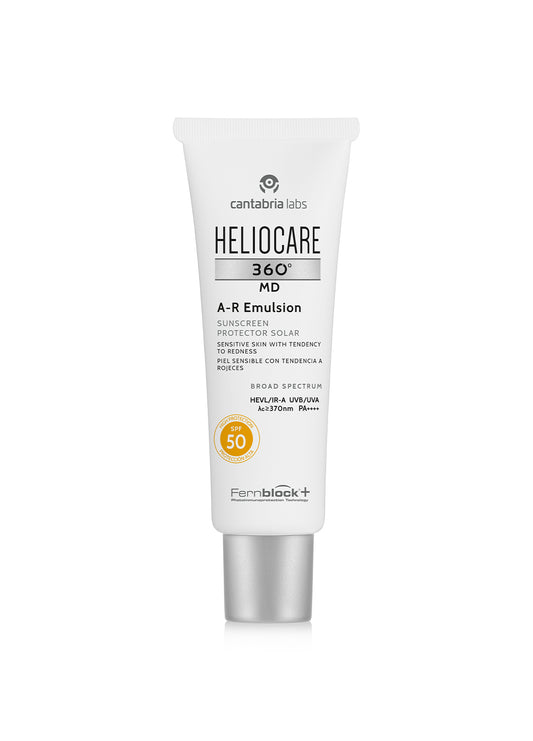
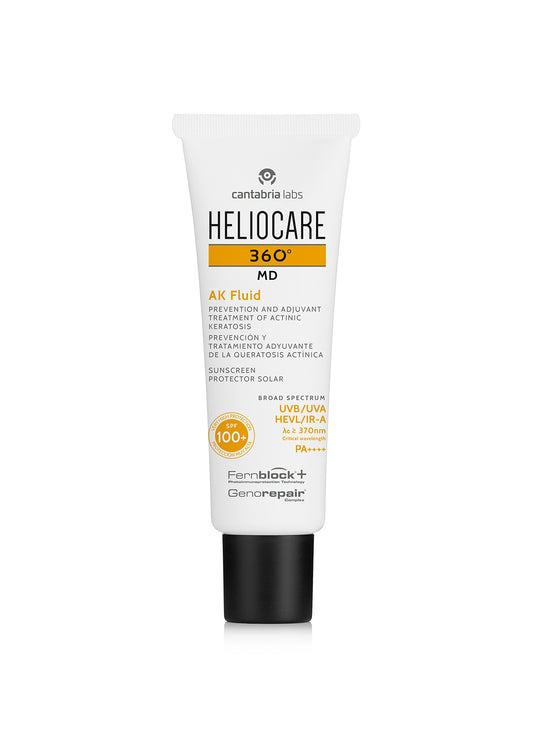
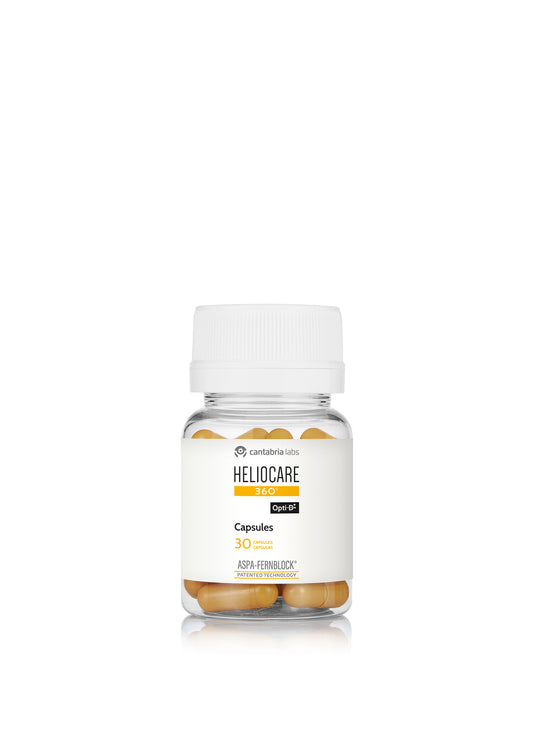
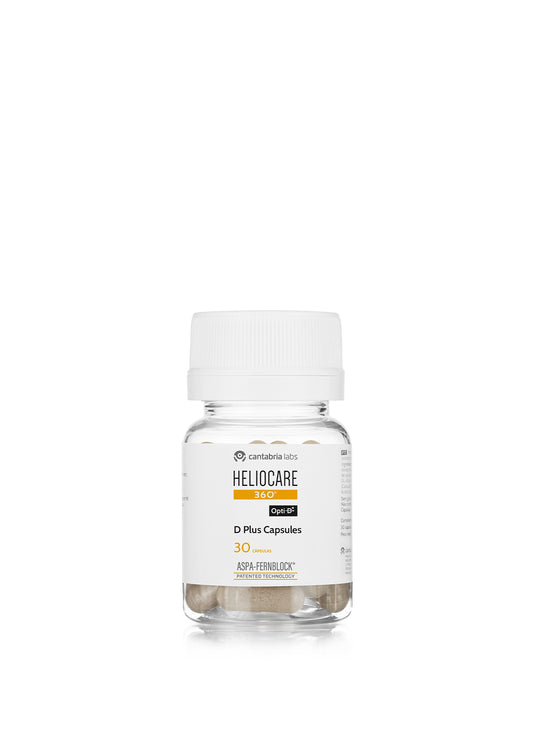
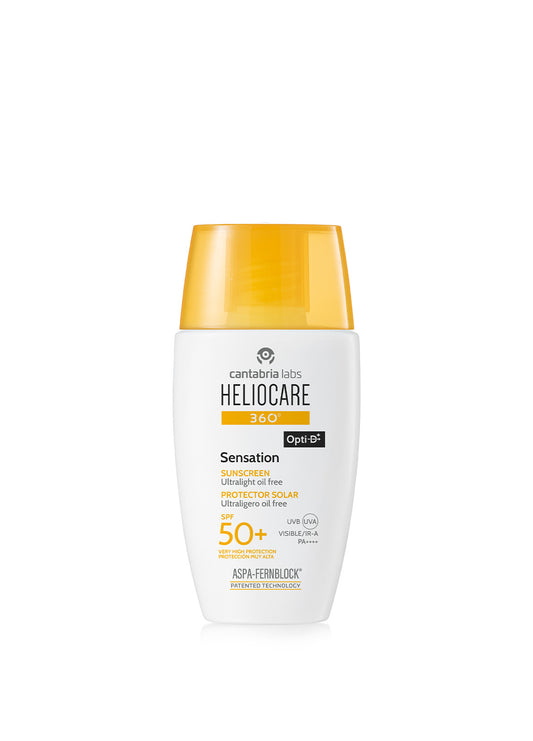
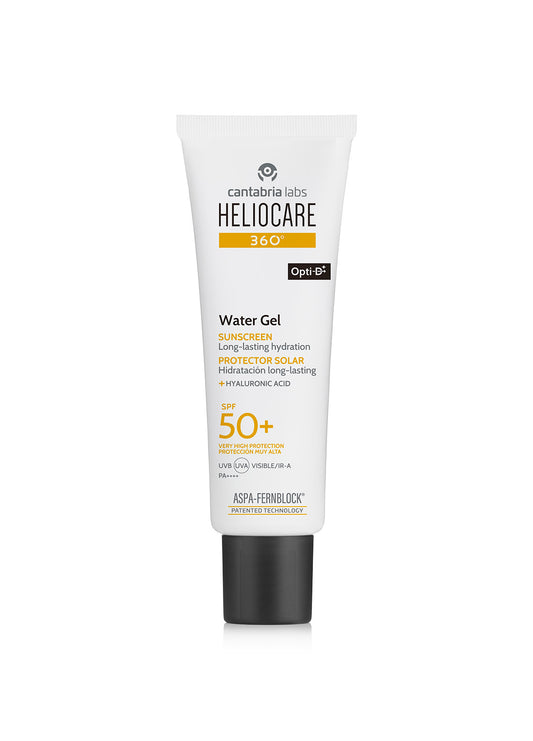
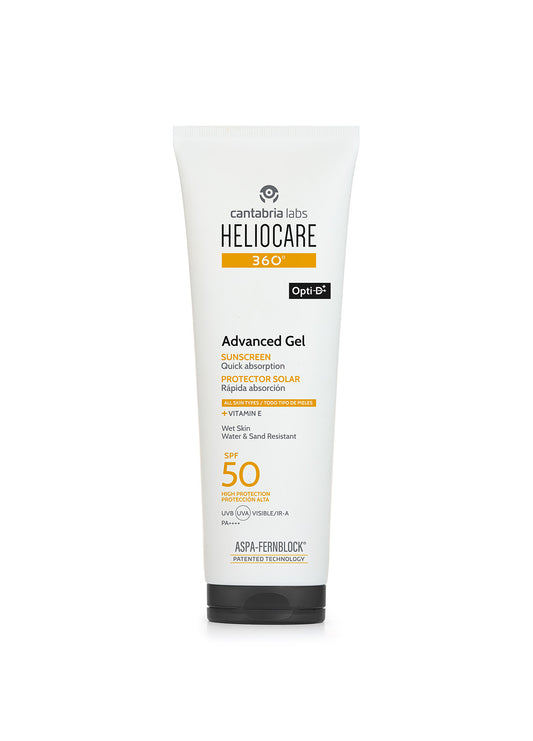
Supporting skin health with HELIOCARE 360°
HELIOCARE 360° is a dermatologist-recommended sun protection range developed to provide advanced daily photoprotection across all skin types and concerns.
With formulations tailored for oily skin, pigmentation-prone skin, sensitive skin and everyday wear, the range supports comprehensive daily protection against environmental skin damage. By combining high-level broad-spectrum SPF with antioxidant technology, HELIOCARE 360° helps support long-term skin health while fitting easily into everyday routines.

Protect your skin every day
Healthy sun habits do not need to be complicated, but consistency matters. Daily sunscreen use, layered photoprotection and regular self-checks are three simple but highly effective steps that can help support long-term skin health and reduce your risk of skin cancer.
If you're unsure which HELIOCARE formula is best suited to your skin, you can take the HELIOCARE skin quiz to find your ideal match for your skin type, concern, and finish preference.