How to build a renewing routine without compromising the skin barrier
Published on 30 March 2026Skin renewal is crucial for an effective anti-ageing skincare strategy. By encouraging the shedding of damaged surface cells, and boosting the production of healthy cells, a renewal-focused routine will visibly improve skin texture and tone, leaving you with a brighter, healthier complexion.
However, the skin renewal process involves some complexities, particularly for mature skin types with increased sensitivities to active ingredients.
The conflict between skin renewal and barrier health
The epidermis is in a constant state of turnover. The primary cell type here is keratinocytes, which are produced in the basal layer and gradually migrate upwards. As they move into the outer layer of the skin, the cells turn into corneocytes, flat dead cells that are eventually shed. In younger skin, the time it takes for a cell to be produced and then shed is approximately 28 days,1 but with age and cumulative environmental exposure, skin turnover slows down. This leads to a rough, uneven skin texture and a dullish tone.
To give skin cell renewal a boost, we can utilise renewing ingredients, such as retinoids and alpha hydroxy acids (AHAs). Retinoids target different cell groups within the skin, including keratinocytes, penetrating the cell’s nucleus and altering cellular processes, such as cell growth. Meanwhile, AHAs can help to lower corneocyte cohesion on the surface of the skin, whereby the intercellular strength between corneocytes is reduced to allow for normal exfoliation.2
When used in the correct formulations and concentrations, and introduced gradually to a skincare routine, these powerful ingredients can make a noticeable difference to skin smoothness and clarity. They are also especially helpful in the spring and summer, when the skin is more at risk of build-up of sweat, sebum and sunscreen, which can further dull the complexion and cause clogged pores and breakouts.
However, tensions can arise when a renewal process is pursued without considering the skin barrier, the lipid matrix in the outermost layer of the epidermis. When exfoliation outpaces lipid replenishments, the integrity of the skin barrier is compromised. Quite quickly, a corrective renewal routine can result in skin dryness, redness and sensitivity.
The function of the skin barrier
The skin barrier is a highly organised structure, involving flattened corneocytes, which are embedded into a lipid matrix containing ceramides, cholesterol and fatty acids. This structure protects the skin from irritants and allergens, as well as regulating transepidermal water loss (TEWL) to keep the skin hydrated. The skin barrier also supports the skin’s immune system.
Skin barrier competence is closely linked to the health of the skin and its visible qualities. When TEWL increases, the skin becomes dehydrated and fine lines are more apparent. Inflammation also increases, stimulating vasodilation and redness, and over time, leading to collagen degradation and pigmentation, which make the skin look older.
Skin barrier decline is one of the earliest shifts in skin ageing. Lipid synthesis decreases, repair processes slow down and the skin’s tolerance of active ingredients reduces. Reactions to certain skincare may also become less predictable.
A compromised skin barrier does not just feel uncomfortable, but it can further exacerbate the natural signs of ageing and reduce the skin’s ability to benefit from targeted treatments. For these reasons, skin barrier reinforcement is crucial in skin renewal.

How over-renewal can compromise the skin barrier
Excessive exfoliation is one of the main culprits in barrier disruption. It often occurs through the use of multiple acids, retinoids in concentrations too high or applications too frequent, or the introduction of too many active ingredients at the same time.
When corneocyte cohesion is reduced too aggressively, the skin barrier’s lipid matrix can become disorganised. Tiny microdamages occur in the skin, increasing TEWL and allowing for greater penetration of irritants, including bacteria and pollutants. Inflammation then rises and the skin responds with redness and itching or stinging.
These effects may be amplified in the spring and summer months, due to increased UV exposure and environmental pollution. The increase in free radicals places additional stress on an already vulnerable barrier. In this context, skin renewal will not accelerate positive results, but instead prolongs recovery time, as individuals may have to pause treatments due to irritation.
Why skin renewal really matters for ageing skin
Of course, this is not to say that renewal should be avoided entirely. Instead, it should be approached with care and proper understanding of how the skin barrier and active ingredients work.
Renewal is so important for ageing skin because, as part of the intrinsic ageing process, the natural cycle of cell turnover slows significantly over time. This is a guaranteed, genetically-programmed decline, even without the involvement of external factors.
This slowed epidermal turnover contributes directly to dullness, uneven texture and fine lines and wrinkles. At the same time, deeper in the dermis, reduced fibroblast activity means that collagen and elastin production decline, which weakens structural support and leaves the skin feeling thin and less firm.
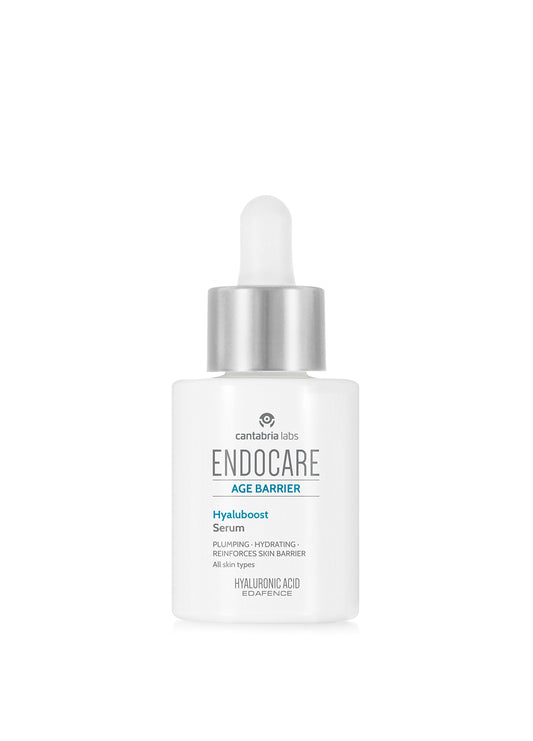
Therefore, supporting regeneration is essential in mature skin. ENDOCARE, the science-led anti-ageing skincare range from Cantabria Labs, is dermatologically proven to strengthen the skin barrier and renew the skin, with excellent tolerance for all skin types. This leads to visible anti-ageing results without irritation. ENDOCARE is expertly formulated with a combination of active ingredients and technologies, including EDAFENCE® anti-pollution technology, a plant-derived active that protects the skin from pollution and environmental stressors whilst strengthening the skin barrier.

Other gold-standard ingredients within ENDOCARE include hyaluronic acid, which deeply hydrates and retains moisture; niacinamide, which enhances barrier function and reduces inflammation; retinoids, which promote skin renewal and stimulate collagen production; AHAs, which offer gentle exfoliation by increasing cell turnover; and additional soothing ingredients, like panthenol, to support skin repair, calm irritation and improve overall comfort.
Delivery systems are also important. Scientifically-proven encapsulation technologies and controlled-release formats allow for molecules to penetrate more effectively, improving ingredient efficacy whilst reducing surface irritation. Renewal can therefore be more predictable and better tolerated. ENDOCARE retinoid formulations feature patented RetinDuo® Technology, which delivers two powerful, high-tolerance retinoids in a dual system - retinol in microsponges and retinal in AOX-TECH nanovesicles. The microsponges allow for gradual, sustained release of retinol. Meanwhile, the high-performance delivery system, AOX-TECH, enhances the efficacy of active ingredients by providing controlled release for improved tolerance. The results of these technologies are deeper penetration, enhanced performance and better comfort, which is ideal for ageing skin.

Together, these powerful ingredients and delivery systems offer exceptional skin renewal whilst improving skin barrier function, increasing hydration,3 increasing collagen and elastin production and offering exceptional tolerability, even in delicate, sensitive, mature skin.4
The role of antioxidants in a renewing routine
Another key aspect of a renewing anti-ageing routine is antioxidants.
Oxidative stress plays a significant role in visible skin ageing, with UV radiation and pollution generating free radicals, unstable molecules that damage the lipids, proteins and DNA within skin cells. Antioxidants neutralise free radicals by donating electrons without becoming unstable themselves. As such, antioxidants are vital in every renewing skincare routine, offering protection and support, especially when exfoliating acids or retinoids are being used.
Daily application of antioxidants, followed by a high-level, broad-spectrum SPF in the morning, will be especially important during the spring and summer months. This dual approach will help to reduce cumulative damage from solar radiation and environmental damage, supporting long-term skin quality and barrier health.

How to layer products without overloading the skin
In order to experience the full anti-ageing benefits, and reduce sensitivity, product layering should follow a specific pattern. Only one corrective active ingredient should be introduced at any one time, allowing the skin to build its tolerance gradually. This also makes it easier to identify the source of any irritation.
In practice, this often means that renewal treatments are used in the evening. This is when the skin naturally enters ‘repair mode’, whereas antioxidants and SPF protection are of benefit in the morning. During the evening skincare routine, focus on gentle cleansing, hydration and replenishing moisturisers, which also allow any renewing actives to work effectively.
By using actives carefully, and layering accordingly, your skin can benefit from an anti-ageing routine without irritation.
Signs your renewing routine is compromising the barrier
A compromised skin barrier is not always instantly visible. However, you will soon recognise the signs, particularly when the skin is persistently red, stinging, tight and dry. These sensations do not resolve with moisturisation, and instead, the skin experiences heightened sensitivity with the application of previously tolerated products.
In these situations, reduce the frequency of exfoliating and retinoid treatments, and prioritise skin barrier repair to allow the lipid matrix to recover. Some of the best ingredients for a compromised barrier are niacinamide, hyaluronic acid and other lipid-replenishing peptides, which support hydration and restoration of the stratum corenum.
Once comfort and skin stability returns, you can reintroduce renewal products gradually.
Effective renewal supports the barrier
A renewing skincare routine should enhance the skin’s biological functions, rather than override them. This includes cellular turnover, skin barrier integrity and antioxidant defences, which are all interdependent. When one is compromised, the skin suffers, and overall results decline.
Renewal should therefore be a controlled, formulation-led strategy that works in synergy with barrier reinforcement and protection. And as the weather continues to improve, and environmental exposure increases, it is even more important to maintain this approach. Skin that is structurally supported, carefully renewed and consistently protected will maintain health and comfort for the longer term.