What is rosacea? Understanding triggers, skin barrier health and how to support your skin
Published on 08 April 2026Rosacea is a very common skin condition, estimated to affect up to one in five people. It is often associated with persistent redness, but for many, it can also present as sensitivity, irritation or occasional flare-ups.
While sun exposure is widely recognised as a key trigger, it is no longer the only focus. Increasingly, dermatological understanding highlights the importance of skin barrier health in supporting skin prone to rosacea.
As Consultant Dermatologist Dr Emma Wedgeworth explains, “rosacea is a complex condition with a number of different triggers,” highlighting why a single approach is rarely sufficient.

Who experiences rosacea?
Rosacea is more common in women, although men tend to experience more severe symptoms. It is also often more visible in lighter skin tones due to lower levels of melanin.
The condition typically affects the face but can also extend to the neck and chest. While environmental factors play a role in triggering symptoms, underlying causes are multifactorial, involving vascular, immune and skin barrier components.
This helps explain why some individuals experience persistent or worsening sensitivity over time, particularly when the skin barrier is not functioning optimally.
What are the symptoms of rosacea?
The most recognisable sign of rosacea is a flushed or persistently red complexion. However, symptoms can vary and may include visible blood vessels, swelling, breakouts and skin thickening.
Around half of those affected report eye-related symptoms such as dryness, irritation or sensitivity to light.
Alongside these symptoms, some individuals may also experience increased skin sensitivity or dryness, particularly when the skin barrier is compromised. This can make the skin feel more reactive to everyday triggers.

Rosacea can also affect emotional wellbeing. Many people report reduced confidence or increased self-consciousness, particularly during flare-ups.
What triggers rosacea?
Triggers vary from person to person, but there are several commonly reported factors.
Sunlight is one of the most significant, alongside environmental stressors such as wind, temperature fluctuations and dry air. Lifestyle factors, including stress, exercise and certain foods or drinks, may also contribute.
Dr Wedgeworth highlights the importance of recognising these patterns, noting that “understanding your individual triggers is key to managing rosacea.”
When the skin barrier is compromised, the skin may become more reactive to these triggers, making symptoms more noticeable or persistent.

How does the sun affect rosacea?
Sun exposure is widely recognised as one of the most common triggers for rosacea flare-ups.
UV radiation can contribute to inflammation and affect the skin’s structural proteins, including collagen and elastin, which play a role in overall skin strength and resilience.
As Dr Wedgeworth explains, “the sun… is one of the main external factors that drives and worsens rosacea.”
Even short periods of exposure can trigger visible redness in some individuals. Over time, cumulative exposure may contribute to increased skin sensitivity and reduced tolerance to environmental stressors.

Why skin barrier health matters in rosacea
The skin barrier plays a key role in maintaining hydration and protecting against environmental aggressors. When functioning effectively, it helps keep the skin comfortable and balanced.
However, when the barrier is compromised, the skin may become more prone to irritation, dehydration and sensitivity. This can increase the impact of common triggers such as UV exposure, pollution and weather changes.
For this reason, supporting the skin barrier is considered an important part of managing skin prone to rosacea, alongside other lifestyle and skincare adjustments.
How to support skin prone to rosacea
Managing rosacea begins with a consistent, gentle skincare approach that prioritises skin comfort and barrier support.
This includes using products that help maintain hydration and minimise irritation, while avoiding overly harsh or complex routines. Ingredients such as hyaluronic acid and niacinamide are commonly used to support skin hydration and barrier function.
Dr Wedgeworth reinforces this approach, noting that “gentle skincare… is essential” when managing redness-prone skin.
Daily sun protection also plays a key role, particularly when combined with barrier-supporting skincare.
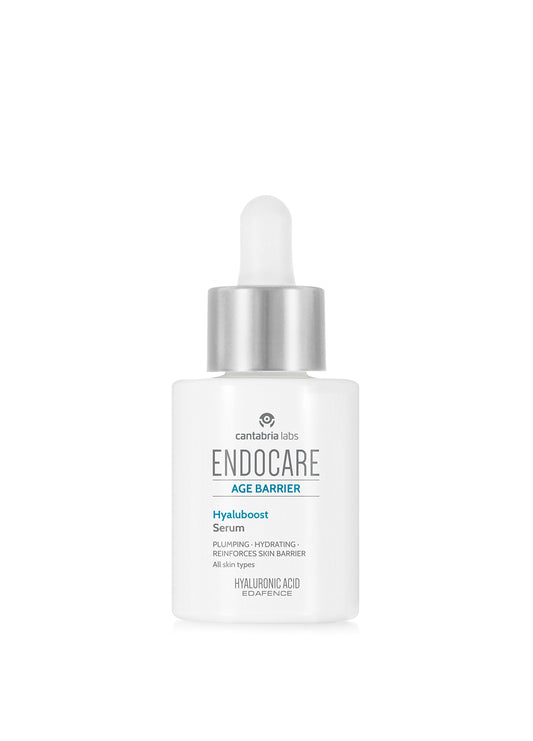
Supporting skin resilience with ENDOCARE AGE BARRIER
For those looking to support skin prone to rosacea, focusing on barrier reinforcement can help improve overall skin comfort and resilience.
The ENDOCARE AGE BARRIER range is designed to support the skin barrier, improve hydration and help protect against environmental stressors. By enhancing skin resilience and elasticity, it contributes to improved overall skin quality.
Formulated with hyaluronic acid, niacinamide and patented EDAFENCE® technology, it helps support the skin’s natural defence mechanisms against external aggressors such as pollution and oxidative stress.
As part of a consistent skincare routine, it provides a foundational step in maintaining healthier, more balanced skin.

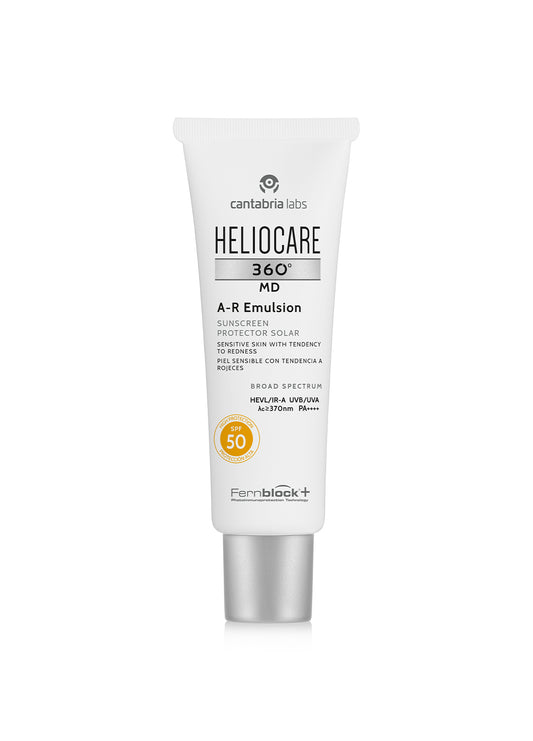
Barrier first, SPF always: Supporting skin with HELIOCARE 360° A-R Emulsion
When the skin barrier is supported, the skin is better able to tolerate environmental stressors - making daily sun protection an essential part of maintaining results.
Sun exposure is widely recognised as a key trigger for redness-prone and sensitive skin. As Dr Wedgeworth explains, “the sun… is one of the main external factors that drives and worsens rosacea.”
For this reason, broad-spectrum protection forms an important part of a consistent skincare routine. HELIOCARE 360° A-R Emulsion has been developed for skin prone to redness, combining high-level photoprotection with ingredients selected to support skin comfort and resilience.
It provides protection against the full spectrum of light, including UVA, UVB, visible light and infrared-A, helping to limit the impact of environmental factors that can contribute to visible redness and sensitivity.
The formula combines ingredients chosen to support sensitive skin and address multiple external stress pathways. Physavie helps to soothe sensations of heat and discomfort, while Rosabora supports the appearance of reduced redness. Glutathione, an antioxidant, helps defend against oxidative stress, which can affect overall skin condition. Fernblock®, a patented plant extract, helps protect against the effects of UV exposure by neutralising free radicals and supporting the skin’s natural defence mechanisms.
As Dr Wedgeworth notes, “a high level of daily skin protection is essential” when supporting rosacea-prone skin.
Together, these elements support the skin in managing environmental stressors commonly associated with redness-prone skin, while complementing a barrier-focused skincare approach.

When should you seek professional advice?
While skincare plays an important role in supporting rosacea-prone skin, some cases may require medical assessment. Persistent or severe symptoms should be reviewed by a healthcare professional or dermatologist.
Treatment options may include prescription topicals, oral medications or in-clinic procedures. Skincare should be used alongside these approaches to support the skin barrier and minimise additional irritation.
Supporting healthier, more resilient skin
Understanding the connection between rosacea, sensitivity and skin barrier function is key to managing symptoms effectively. By focusing on gentle skincare, barrier support and daily protection, it is possible to improve overall skin comfort and resilience.

If you’re looking to build a routine that supports your skin over time, exploring barrier-focused skincare alongside daily sun protection is a strong place to start.