What causes hyperpigmentation & how to treat it effectively
Published on 13 August 2025
Hyperpigmentation is one of the most common skin concerns worldwide, affecting people of all ages and skin types. It occurs when areas of the skin become darker than the surrounding skin due to excess pigment production.
While hyperpigmentation is usually harmless, it can be persistent and difficult to manage without the right skincare approach. Understanding what causes pigmentation and how it develops in the skin is the first step towards treating it effectively.
In this guide, we explore the causes of hyperpigmentation, the different types of pigmentation that can appear on the skin, and the most effective ways to manage and prevent dark spots.
What is hyperpigmentation?
Hyperpigmentation occurs when the skin produces too much melanin, the pigment responsible for the colour of our skin, hair and eyes.
Melanin is produced by specialised cells called melanocytes, which sit within the basal layer of the skin.1 Under normal conditions, melanocytes distribute pigment evenly across the skin to help protect it from environmental stressors such as UV radiation.
However, when melanocytes become overactive, melanin can accumulate in certain areas, resulting in patches of darker skin or uneven tone.
Several factors can trigger this increase in melanin production, including:
- Sun exposure
- Hormonal changes
- Inflammation or skin trauma
- Certain medications
- Underlying health conditions
If you’d like to understand the condition in more detail, read our guide to what hyperpigmentation is, the different types, and why it develops.
The most common types of hyperpigmentation
Hyperpigmentation can appear in several different forms depending on its underlying cause.
Melasma
Melasma is characterised by symmetrical brown or grey-brown patches on the face, typically appearing on:
- Cheeks
- Forehead
- Nose bridge
- Chin
- Upper lip
It is strongly associated with hormonal fluctuations, which is why it frequently develops during pregnancy or while taking oral contraceptives. Sun exposure and genetic predisposition can also worsen melasma.
Because melasma is influenced by both hormonal and environmental factors, it can be particularly persistent and often requires long-term management. Melasma is more common in females than males. Approximately 50% of people with melasma report a family history of the condition.2 It is also more likely to appear on light-brown skin types.

Post-inflammatory hyperpigmentation (PIH)
Post-inflammatory hyperpigmentation develops after the skin experiences inflammation or injury.
Common triggers include:
- Acne breakouts
- Cuts or burns
- Rashes or insect bites
- Certain dermatological procedures such as chemical peels or laser treatments
During the healing process, the skin may produce excess melanin, leaving behind dark marks that remain after the original irritation has resolved.
PIH is especially common in people with medium to darker skin tones because melanocytes tend to be more reactive to inflammation.

Sun spots (solar lentigines)
Sun spots - sometimes called age spots - develop after years of cumulative sun exposure.
They appear as flat brown patches on areas frequently exposed to sunlight, such as:
- Face
- Neck
- Hands
- Chest
- Forearms
These spots tend to become more visible from the age of 50 onwards and are closely linked to long-term UV damage.3

Who is most likely to experience hyperpigmentation?
Although hyperpigmentation can affect anyone, certain factors make some individuals more prone to developing it.
Skin tone
People with medium to darker skin tones often experience hyperpigmentation more easily because their melanocytes are naturally more active.
This means the skin may react more strongly to inflammation, injury or sun exposure.
Hormonal changes
Hormonal fluctuations can significantly influence pigment production.
For example, pregnancy hormones increase melanocyte-stimulating activity, which is why melasma is sometimes referred to as the “mask of pregnancy.” The exact mechanism of melasma in pregnancy is still unknown, but it is thought to be triggered by a combination of hormonal factors (such as the increase of estrogen, progesterone and melanocyte-stimulating hormones), UV exposure and genetic influences.4
Hormonal contraception and hormone replacement therapy can also contribute to pigmentation changes.
Inflammatory skin conditions
Conditions such as acne, eczema or dermatitis increase the likelihood of pigmentation because repeated inflammation stimulates melanin production during healing.
Sun exposure
Frequent or unprotected sun exposure is one of the biggest contributors to hyperpigmentation. UV radiation stimulates melanocytes to produce more pigment, which can darken existing spots and trigger new ones.
How sun exposure causes hyperpigmentation
Sunlight plays a major role in the development and worsening of pigmentation.
When UV radiation reaches the skin, melanocytes increase melanin production as a natural protective response. This helps absorb and disperse UV radiation, reducing damage to skin cells.
However, repeated or prolonged sun exposure can cause melanin to accumulate unevenly in the skin, leading to visible dark spots and uneven tone.
Research also shows that pigmentation can be triggered not only by UV radiation but also by:
- Visible light
- High-energy blue light
- Infrared radiation
For this reason, comprehensive sun protection is one of the most important steps in preventing hyperpigmentation.
To learn more about defending skin against pigmentation triggers, read our guide to repairing, protecting and preventing hyperpigmentation.
The best ingredients for treating hyperpigmentation
Treating pigmentation effectively usually requires a multi-action skincare approach. Dermatologists often recommend ingredients that target several stages of the pigmentation cycle, including melanin production, inflammation and skin renewal.
Some of the most effective ingredients include:
- Retinoids, which support skin renewal and help disperse pigment
- Azelaic acid, which regulates melanin production and reduces inflammation
- Vitamin C, an antioxidant that brightens the skin and protects against environmental damage
- Niacinamide, which helps reduce melanin transfer within the skin
- Exfoliating acids such as glycolic acid, which encourage skin cell turnover
These ingredients work best when combined with consistent sun protection.
For a deeper look at how these ingredients work, read our guide to the best ingredients for managing hyperpigmentation.
Why evidence matters when treating hyperpigmentation
Hyperpigmentation can be difficult to manage, so it’s important to choose products and routines supported by credible evidence, especially when targeting persistent concerns such as melasma, post-inflammatory hyperpigmentation and sun-induced dark spots.
When assessing pigmentation treatments, look for:
- Clinically tested ingredients
- Studies showing visible improvement in dark spots or uneven tone
- Formulations designed to target multiple stages of the pigmentation cycle
- Daily photoprotection to help prevent recurrence
This is particularly important because hyperpigmentation often returns if the skin is not consistently protected from triggers such as sun exposure and inflammation.
If you’d like to explore this in more detail, read our guide to clinically proven ways to help prevent and correct hyperpigmentation.
A skincare approach to managing hyperpigmentation
Because pigmentation develops through multiple biological pathways, dermatological skincare routines often focus on three key goals:
- Regulating melanin production
- Encouraging skin renewal to disperse existing pigment
- Protecting the skin from environmental triggers
A well-designed routine may combine targeted depigmenting ingredients, supportive barrier care and high-level daily sun protection.
For those seeking a more evidence-led approach, clinically tested formulations that combine brightening actives, exfoliation and photoprotection can help visibly improve uneven skin tone over time.
Daily skincare routine for hyperpigmentation
Managing hyperpigmentation requires a consistent routine that combines targeted treatment with effective sun protection.
Morning routine
- Cleanse the skin with a gentle cleanser
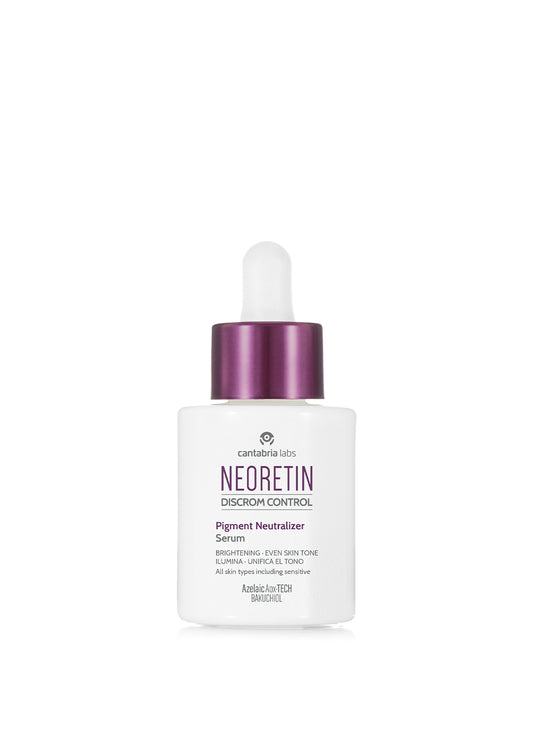
- Apply NEORETIN Pigment Neutraliser Serum
- Apply HELIOCARE 360° Pigment Solution Fluid SPF50+
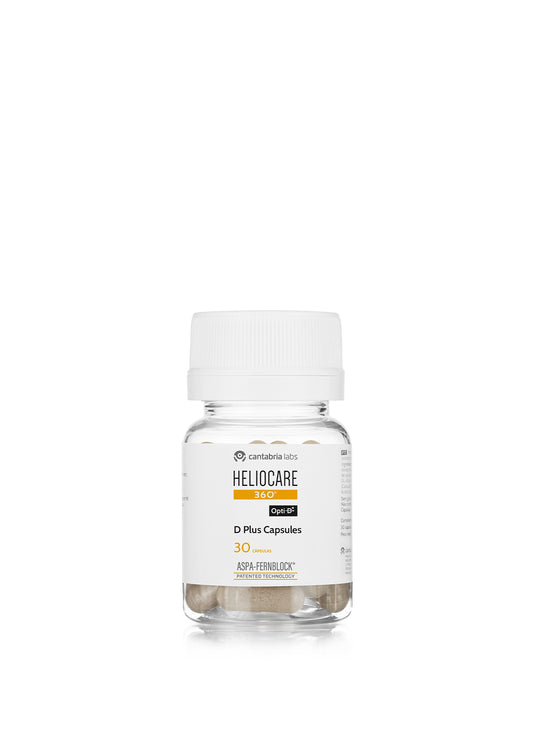
- Take a HELIOCARE 360° D-Plus Capsule before sun exposure
Evening routine
- Cleanse the skin
- Apply NEORETIN Pigment Neutraliser Serum
- Follow with your preferred moisturiser or nighttime treatment
Weekly treatment
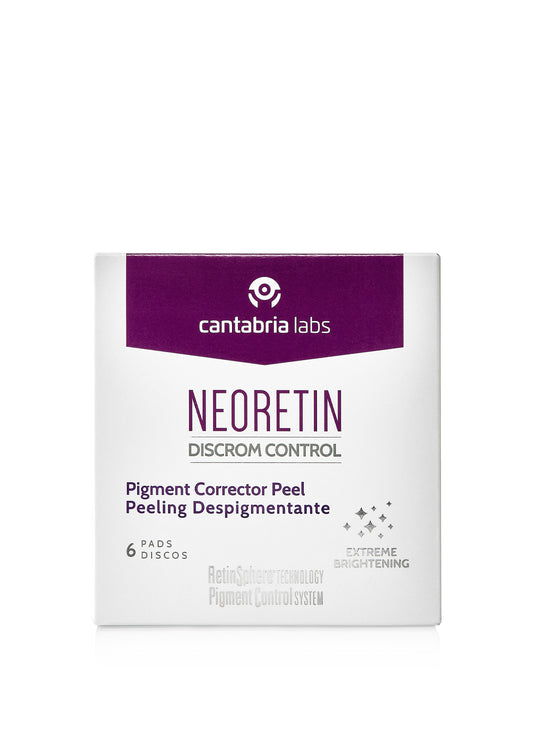
Use NEORETIN Pigment Corrector Peel Pads once per week to gently exfoliate the skin and support skin renewal.
Consistency is key
Hyperpigmentation can take time to improve because pigment gradually moves through the skin’s natural renewal cycle.
Consistency is key for treating hyperpigmentation. Remember, the single best way to protect the skin from pigmentation and other effects of sun damage is to protect the skin, every single day, even when it’s not sunny outside. This is particularly important for anybody seeking hyperpigmentation treatment.5
With consistent use of targeted skincare and daily sun protection, it is possible to significantly improve uneven tone and restore a brighter, more even complexion.
Further reading on hyperpigmentation
If you’d like to learn more about managing pigmentation, explore our related guides:
- What is hyperpigmentation? Causes and types explained
- Best ingredients for managing hyperpigmentation
- Repair, protect and prevent hyperpigmentation
- Clinically proven ways to help prevent and correct hyperpigmentation
Together, these guides create a fuller picture of how hyperpigmentation develops, how to treat it, and how to reduce the risk of it returning.