The benefits of vitamin C for skin: How it works and who it’s for
Published on 17 September 2025Vitamin C, or ascorbic acid, is an essential vitamin that enables the body to grow, develop and repair itself. It takes action in a number of ways, including supporting the immune system, helping the body to absorb iron and supporting collagen production for healthy skin and bones. Vitamin C is also a powerful antioxidant, protecting the body from free radical damage, as well as helping other antioxidants to regenerate1.
Since the body can’t effectively store vitamin C, regular intake through diet or supplements is recommended for maintaining overall health. Fruit and veg is the best source of vitamin C, including citrus fruits, tomatoes, peppers, potatoes, leafy greens and strawberries. While it isn’t naturally present in grains, some cereals are fortified with vitamin C. A severe vitamin C deficiency can lead to scurvy2, symptoms of which include tiredness, weakness, weight loss, bruising, bleeding and poor wound healing.

Beyond diet, vitamin C is also a well-researched active skincare ingredient, used in cosmetics and dermatology for many years. In topical formulations, vitamin C is most effective when delivered as the biologically active L-ascorbic acid, a water-soluble form that the skin can easily make use of. However, ascorbic acid is unstable and degrades when exposed to air, heat or light, which is why stabilised formulations of vitamin C are essential.
Vitamin C skin benefits at a glance
- Protects against oxidative stress and DNA damage
- Strengthens the skin barrier
- Boosts skin cell regeneration
- Prevents moisture loss
- Improves firmness and elasticity
- Reduces fine lines and wrinkles
- Brightens skin tone
- Reduces dark spots and hyperpigmentation
- Minimises oiliness and breakouts
What does vitamin C do for skincare?
Vitamin C is known for its antioxidant properties and multiple benefits to skin health. It is used to protect the skin from oxidative stress, support firmness and reduce the appearance of pigmentation. But its efficacy depends on several factors, including concentration, pH and formulation stability. To remain active and beneficial to the skin, vitamin C must be stabilised in formulations that protect it from degradation.
Vitamin C is often applied as a serum, recommended after cleansing and before the application of a moisturiser and SPF.
How vitamin C works in the skin
Vitamin C helps to protect the skin from free radical damage, caused by UV radiation, pollution and other environmental aggressors. By neutralising free radicals, vitamin C reduces the risk of oxidative stress, which helps to combat skin ageing and skin DNA damage.

Vitamin C also plays a role in the synthesis of collagen, a structural protein responsible for maintaining skin firmness and elasticity. It does this by supporting the normal functioning of fibroblasts, the cells responsible for producing collagen, and helping to maintain the skin’s structural integrity.
In addition, vitamin C targets excessive melanin production by inhibiting the enzyme tyrosinase. This can reduce the formation of dark spots and uneven skin tone.
The benefits of vitamin C for skin
Vitamin C is an incredible skin-brightening antioxidant that helps to create a brighter, more balanced skin tone. One of the most popular vitamin C benefits is reducing pigmentation. When used consistently as part of a daily skincare routine, other benefits include:
Targeting pigmentation and uneven skin tone
By interfering with melanin production, vitamin C helps to fade existing dark spots and prevent the formation of new ones. This makes it beneficial for those with sun-induced pigmentation or post-inflammatory hyperpigmentation (PIH).
Protecting against oxidative stress and sun damage
Vitamin C is not an alternative to sunscreen, but it does enhance the skin’s ability to resist damage caused by UV exposure. When used alongside a full-spectrum, high-level sunscreen, vitamin C is extremely beneficial in the prevention of sun damage.
Supporting collagen synthesis for anti-ageing
By promoting the activity of fibroblasts and supporting collagen formation, vitamin C contributes to improved skin firmness and elasticity. This helps reduce the appearance of fine lines and early signs of skin ageing.
Enhancing skin radiance
By reducing dullness and improving skin clarity, vitamin C will promote a more luminous and healthy complexion.
Controlling sebum production
Vitamin C has also been found to control sebum production within the skin3, which is especially beneficial to oily and spot-prone skin.
Who is vitamin C skincare best for?
Vitamin C is suitable for most skin types, but it is most often recommended to those with visible pigmentation or sun spots, those with early signs of ageing, and those who are concerned about a dull or uneven skin tone.
Stability and delivery: why formulation matters
Pure vitamin C (L-ascorbic acid) is highly effective, but it is also inherently unstable. It can degrade when exposed to air, light and heat, reducing its potency.
That’s why advanced formulations are essential. Effective vitamin C serums use stabilised forms, encapsulation technologies and carefully designed delivery systems to help protect the ingredient until it reaches the skin, ensuring both immediate and long-lasting antioxidant performance. Pairing vitamin C with complementary antioxidants, such as ferulic acid, can further enhance stability and efficacy.
Choosing a well-formulated serum ensures optimal absorption into the skin, maximising both protective and corrective benefits such as the vitamin C serums from ENDOCARE.
Advanced vitamin C skincare from ENDOCARE
ENDOCARE is a science-led skincare range designed to prevent and correct key skin-ageing concerns through three targeted collections:
- AGE BARRIER – to strengthen and repair the skin barrier
- RADIANCE – to brighten and protect with antioxidants
- RENEWAL – to support skin renewal for visible, long-term anti-ageing results
Together, these ranges provide a comprehensive anti-ageing strategy to maintaining skin health and resilience.
Meet the ENDOCARE RADIANCE range
The ENDOCARE RADIANCE range is formulated with high-performance antioxidants and unique EDAFENCE® anti-pollution technology, designed to help brighten, protect and revitalise the skin while defending against environmental stressors.
The range features two advanced antioxidant serums:
ENDOCARE RADIANCE Vitamin C20 Serum
A high-potency corrective brightening treatment powered by a dual-action vitamin C complex, combining:
- 15% pure vitamin C for immediate antioxidant action
- 5% stabilised, encapsulated vitamin C for sustained release and longer-lasting performance
This advanced delivery system helps maximise stability and penetration, supporting visible brightening, improved firmness and protection against photoageing. In user testing, 95% reported brighter, more radiant-looking skin in just 7 days.4

ENDOCARE RADIANCE C Ferulic Serum Gel
This lightweight gel combines 5% stabilised vitamin C with ferulic acid, enhancing daily antioxidant protection while helping to defend against environmental damage. Ferulic acid supports vitamin C stability and boosts its efficacy, making this serum an ideal option for daily protection and skin resilience.

Both serums are formulated with powerful antioxidants and EDAFENCE® technology to help defend and repair skin from daily environmental stressors making them ideal to apply before sunscreen in your morning routine.
For enhanced results, ENDOCARE RADIANCE serums can be combined with formulations from the AGE BARRIER range to strengthen and support the skin barrier, and the RENEWAL range to encourage skin renewal and visible anti-ageing benefits.
How to use vitamin C in your routine
Vitamin C is best applied in the morning after cleansing and before moisturiser and sunscreen.
Morning antioxidant + SPF routine
- Cleanse the skin using a cleanser from the ENDOCARE range.
- Apply an antioxidant serum such as ENDOCARE RADIANCE Vitamin C20 Serum or ENDOCARE RADIANCE C Ferulic Serum Gel (depending on your skins needs i.e. preventative or corrective)
- Follow with a moisturiser to help maintain and strengthen your skin barrier such as the ENDOCARE AGE BARRIER Hyaluboost Gel Cream.
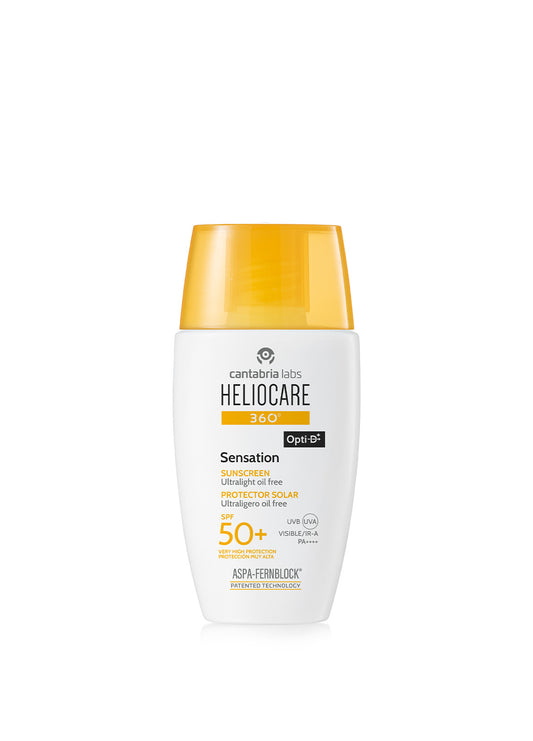
- Once absorbed, apply a high-level (SPF 50) full-spectrum HELIOCARE 360° sunscreen of your choice. Apply evenly, using approximately two full finger lengths of product, ensuring full coverage up to the hairline and around the eye area.
- Reapply SPF every two hours during periods of high sun exposure.
Evening routine
- Cleanse the skin using a cleanser from the ENDOCARE range.
- Apply a retinoid treatment, such as the ENDOCARE RENEWAL Retinoid Serum or ENDOCARE RENEWAL Retinoid Intensive Serum to support skin renewal and improve the appearance of fine lines, uneven tone and texture.
- Follow with eye cream and a moisturiser tailored to support the skin barrier and overnight recovery such as the ENDOCARE AGE BARRIER Hyaluboost Gel Cream.
While vitamin C provides antioxidant defence, it does not replace sunscreen. Instead, it works alongside SPF to strengthen protection against UV radiation and environmental damage.
Using antioxidants together with daily broad-spectrum sun protection helps support long-term skin health, radiance and resilience.