Why winter UVA still ages your skin: A dermatologist’s A/W breakdown
Published on 21 January 2026
Consultant Dermatologist
Dr. Emma Wedgeworth Clinic, Harley Street
Learn more about the author
As the weather cools and we embrace the colder months, it’s easy to fall out of the good habit of daily sun protection. Many people assume that there is no risk of skin damage in winter. However, UVA radiation, which is responsible for the long-term effects of photoageing, is present year-round, regardless of the season, and failing to protect your skin against them could accelerate visible signs of ageing.

The truth about skin damage in the winter months
There’s a common behavioural shift that occurs when the temperature drops. We wear thicker clothing, spend less time outdoors, and any concerns we have about sunburn or sun damage fall to the back of the mind. There is a perception that there is reduced UV exposure in winter, due to the days being cloudier, there being less daylight altogether, and the temperatures being lower. This leads people to be more lax about sunscreen.
“But the truth is, UVA radiation is still present in the winter months, and even when it’s cold outside, our skin is still at risk of light-induced damage.”
UVA vs UVB - Which one actually causes ageing?
The Sun emits many types of radiation. This energy travels across the electromagnetic spectrum and includes visible light, heat (infrared radiation) and ultraviolet rays such as UVA and UVB. These different types of radiation interact with our environment, and our skin, in different ways.
UVB = burn
UVB rays are the more energetic form of UV radiation. They cause the skin to burn and are primarily responsible for the development of sunburn. UVB exposure is more intense in the summer months, as the risk of damage is higher when the sun is at its peak.
UVA = ageing
UVA rays, on the other hand, are less intense but very significant in terms of long-term skin damage and pigmentation. They penetrate the skin more deeply, causing molecular changes that lead to mutations, inflammation and abnormal immune responses. The consequences of these altered biological functions can then lead to wrinkles, fine lines, hyperpigmentation, photoageing and even contribute to skin cancer.1
One of the key points to understand about UVA rays is that they are present throughout the entire year. Unlike UVB radiation, which fluctuates with the weather and the position of the sun, UVA rays are more constant in intensity. This means that skin ageing and pigmentation from UVA damage is a continuous process.
Is UVA still strong in winter?
UVA rays reduce less than UVB in the wintertime. While the angle of the sun is lower, and the intensity of sunlight decreases, UVA radiation remains more consistent and more significant throughout the year.
Geographical location plays a role in the intensity of UVA radiation. In countries further from the equator, winter daylight is often limited to just a few hours, which can reduce overall UV exposure. However, this shorter daylight doesn’t completely eliminate the risk of UVA damage. Even on overcast or snowy days, UVA can still penetrate the skin.
“Some people rely on the UV index to gauge their risk of sun exposure, but the UV index doesn’t always account for UVA radiation. For instance, it may report UV levels as ‘low’ when the UVB strength is low, yet the UVA levels remain significant.”
How UVA drives photoageing at a cellular level
UVA accelerates photoageing, the process of premature skin ageing from repeated sun exposure.

Collagen damage
The primary cause of photoageing is damage to the collagen matrix. This is the network of collagen fibres within the dermis, providing strength and structure to the skin. Collagen fibres in the matrix work alongside elastin and other proteins to make the skin firm, flexible and resilient. When the collagen matrix is damaged, the skin becomes thin and sagging, with an increased formation of fine lines and wrinkles.
Elastin damage
Elastin, another key protein in the skin, is also damaged by UVA exposure. Elastin helps the skin to stretch and then return to its original shape. With repeated UVA exposure, elastin fibres weaken, causing the skin to lose its youthful bounce and elasticity. This contributes to skin sagging and the development of deep lines, particularly around areas like the eyes, mouth and jawline.
Oxidative stress cascade
UVA rays also trigger the production of free radicals in the skin. Free radicals are highly reactive, unstable molecules that attack healthy cells and steal electrons. This leads to a chain reaction of damaged cells, which accelerates the breakdown of collagen and elastin and impacts the skin’s ability to repair itself. The result is visible signs of ageing, pigmentation and dull, damaged skin.
Long-term wrinkle formation
Over time, repeated UVA exposure without adequate protection leads to the deepening of wrinkles and loss of skin volume. Fine lines become more pronounced and the skin may appear dull and more uneven in tone. Since UVA damage is cumulative, these effects build up over years. In my clients, noticeable signs of ageing will show up once they reach their mid-30s.
Does UVA penetrate clouds and windows?
There are several myths and misunderstandings when it comes to sun protection. A common misconception is that cloud cover offers protection from UV radiation.
“While clouds can reduce the intensity of UVB rays, they have little effect on UVA rays. In fact, up to 80% of UVA radiation can penetrate through overcast skies, meaning that even on grey days, the skin is still vulnerable to UVA damage.”
UVA rays can also pass through glass. This means that daily exposure while driving or sitting indoors can contribute to photoageing.

Why UVA protection matters more than you think in autumn and winter
The colder months are when we typically see a dip in sunscreen usage. Without the obvious signs of UV exposure, such as sunburn, we may forget to apply sunscreen. However, as we’ve discussed, UVA exposure doesn’t stop in winter, and the risks of photoageing and pigmentation are still present during the colder months.
The cumulative nature of UVA damage means that every unprotected exposure, whether in winter or summer, adds up. Over time, these small exposures lead to significant changes in the skin.
The biological risk of skin damage from UVA radiation doesn’t disappear with the seasons. The behavioural risk - the tendency to skip sunscreen in winter - adds a layer of vulnerability. Both these factors together contribute to the long-term development of wrinkles, pigmentation and other signs of ageing.
Why dermatologists recommend daily, year-round UVA protection
“Protecting your skin from UVA exposure isn’t about preventing sunburn, but protecting against the long-term, deep damage that leads to photoageing.”
It’s important to remember that winter skin protection should not be driven by temperature, but by light. While you may feel protected from UV exposure during the colder months, UVA radiation is still present and capable of causing significant long-term damage.
Sun protection should be part of everyone’s daily skincare, and the final step of your routine each morning.
“Consistent use of high-level, full-spectrum sunscreen helps to protect the skin from UVA damage, and aids preservation of the skin’s collagen and elastin, control pigmentation and delay the onset of visible signs of ageing.”
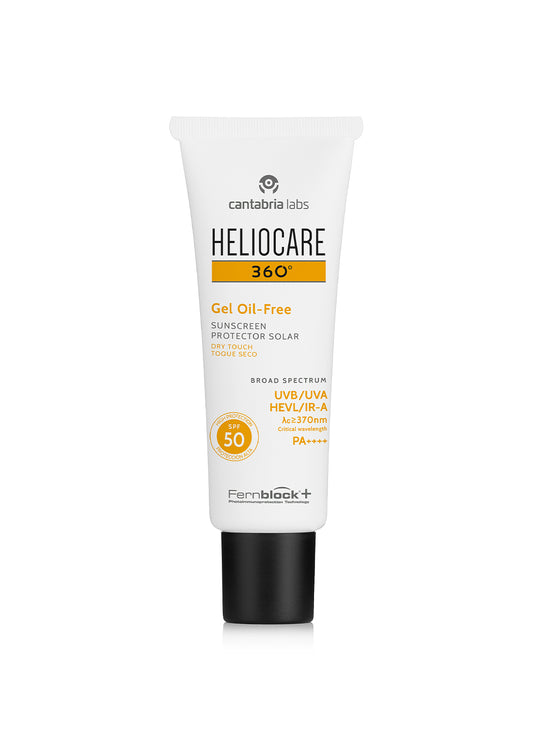
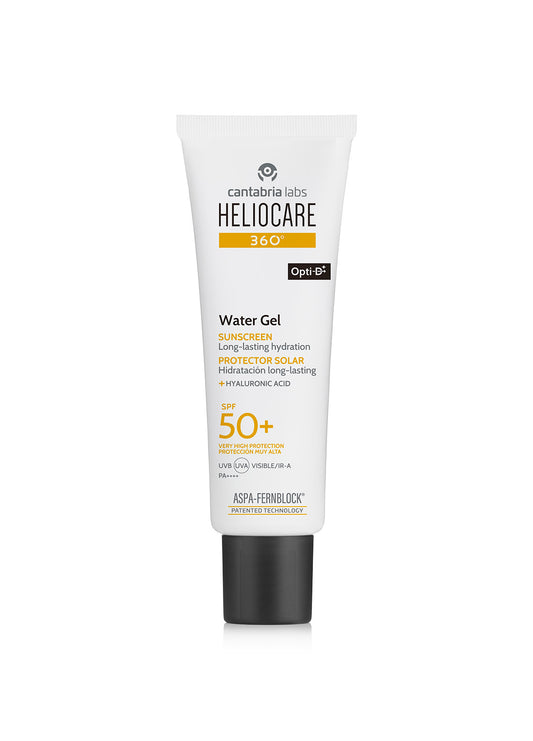
That’s why I will always recommend HELIOCARE 360°, a dermatological daily sun protection range that protects against the full spectrum of light, including UVA rays. HELIOCARE 360° is the most comprehensive skincare range on the market, offering very high protection beyond a typical SPF. It contains Fernblock®+, a dermatologically-proven antioxidant technology backed by 20 years of research, which protects against all major forms of light-induced damage and defends the skin from deep within. Several HELIOCARE 360° formulations also contain the patented ASPA-Fernblock® technology, which enhances antioxidant activity and skin repair when tackling signs of photoageing.
HELIOCARE 360° offers the best daily defence against sun damage and skin ageing, and gives my patients the protection they need every single day. It also offers that extra layer of protection when using active ingredients or undergoing in-clinic skin treatments. And because every patient's skin is unique, HELIOCARE 360° offers a comprehensive range of formulations to suit every skin type and indication.
Protect your skin from UVA and light-induced damage every single day, no matter the season.