The 4-night dermatologist-approved skin cycling routine for acne-prone skin
Published on 12 January 2026
The term ‘skin cycling’ has exploded in recent times, largely due to social media. But the actual concept of rotating and spreading out skincare and active ingredients over several days has been practiced and recommended by dermatologists for many years.
“Skin cycling reflects a long-standing dermatology principle of gradual introduction and pacing of active treatments, particularly retinoids, to minimise irritation and improve long-term adherence.”
Skin cycling is a tried and tested framework that targets a number of skin concerns, improving long-term adherence, rather than intensifying treatment as quickly as possible. As such, a dermatologist-approved skin cycling routine for acne-prone skin is particularly effective, as it prioritises skin barrier recovery along with treating active breakouts and preventing new ones.
What is skin cycling?
Skin cycling is a dermatologist-designed method that focuses on alternating between active ingredients and recovery in a specific pattern, with the aim of optimising results whilst protecting the skin barrier. This can be a delicate balance to achieve, especially for sensitive and acne-prone skin.
Skin cycling often follows a four-night pattern, which strategically rotates active ingredients with recovery days. Dermatologists noticed that an overuse of active ingredients, such as retinoids and harsh exfoliants, could often cause more harm than good. Rather than layering aggressive actives every night, skin cycling follows an effective but gentle pattern:
- Night 1: Exfoliation
- Night 2: Retinol treatment
- Night 3: Recovery
- Night 4: Recovery
- Repeat.
“But skin cycling does not have to follow a rigid four-night structure. The four-night pattern has been popularised on social media, but it is not a mandatory structure. Instead, your skin-cycling routine can be adapted to individual tolerance and lifestyle. Many derms would suggest a 'day of the week' schedule, rather than continuous 4-day cycles. For instance, on Monday use a retinoid, on Tuesday a moisturiser, on Wednesday a retinoid…”
The science behind skin cycling for acne-prone skin
The skin has a natural cycle of cell renewal. The epidermis, the outermost layer of skin, is continually renewed from stem cells with a turnover time of approximately one month. The new skin cells are made in the lower layers of the epidermis, moving up to the surface within four weeks, where they harden, die and are then shed. The constant renewal process of cells will always replace what is lost on the surface.
Certain active ingredients will support the skin regeneration process and promote a bright, smooth and healthy complexion. However, introducing active ingredients too often, or in high concentrations, can irritate the skin and impair the skin barrier.
Skin cycling prioritises skin-barrier recovery whilst still ensuring the skin gets the benefits of actives. It gives the skin time to respond and adapt to different ingredients without becoming irritated. This is very important for acne and spot-prone skin, which may have a compromised barrier function and is therefore more susceptible to inflammation, dryness and reactions.
The active nights typically involve exfoliation with acids, which removes dead skin cells, and then the application of a retinoid, which boosts skin cell turnover. The recovery nights involve moisturisers and gentle, nourishing products, which hydrate the skin and repair the skin barrier.
The four night cycle is typical of skin cycling, but it may be adapted with different products and schedules depending on your skin type and concerns.
Who should try skin cycling for acne-prone or sensitive skin?
Skin cycling can be suitable for many different skin types, but it’s particularly useful for those with acne-prone skin that have previously struggled with redness, dryness and flaking when using retinoids and other actives. Skin cycling is also suitable for beginners who’ve not yet used acids or retinoids, and need to build up a tolerance gradually. Sensitive skin types may also find skin cycling better suited to their skin, as it reduces irritation to actives. Finally, anybody experiencing signs of skin barrier damage, such as redness, peeling or burning, may benefit from skin cycling.

We recommend skin cycling to people with very sensitive, acne-prone skin who have previously struggled to introduce active ingredients into their skincare routine.
“People with underlying skin conditions, such as eczema or rosacea, can be more sensitive to active ingredients. By approaching actives with a skin cycling strategy, the most sensitive of skin types can slowly build up a tolerance, and eventually arrive in a place where powerful active ingredients can be used every day. But some actives may be poorly tolerated even when spaced out. In this case, a healthcare professional should be consulted, rather than continual self-adjustment.”
4-night skin cycling routine for acne-prone skin
Night 1: Exfoliation - Clear pores & renew skin
Goal: This evening skincare application will focus on exfoliation and renewal with a chemical exfoliator. It will gently remove dead skin cells, unclog pores and help subsequent products to penetrate the skin more effectively.
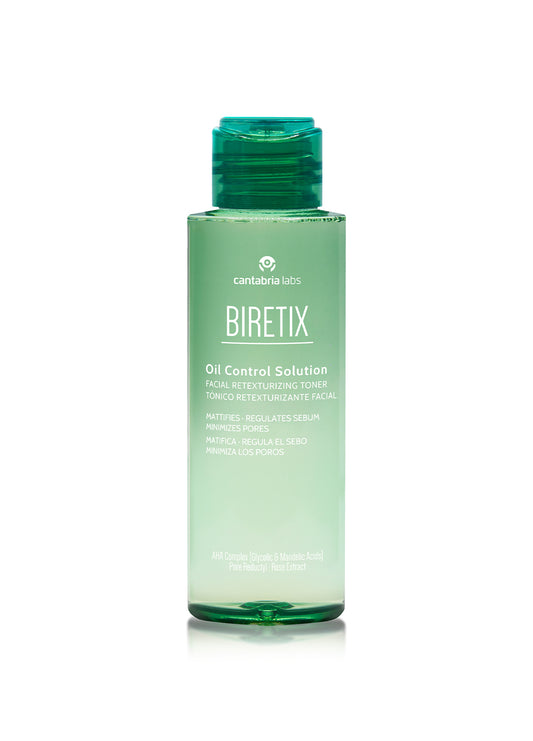
Recommended active ingredient: BIRETIX Oil Control Solution is one of the best skin cycling products for exfoliation. This light facial toner contains a combination of alpha hydroxy acids (AHAs) and sebum-regulating ingredients to gently exfoliate the skin whilst reducing oil, visible pores and imperfections.
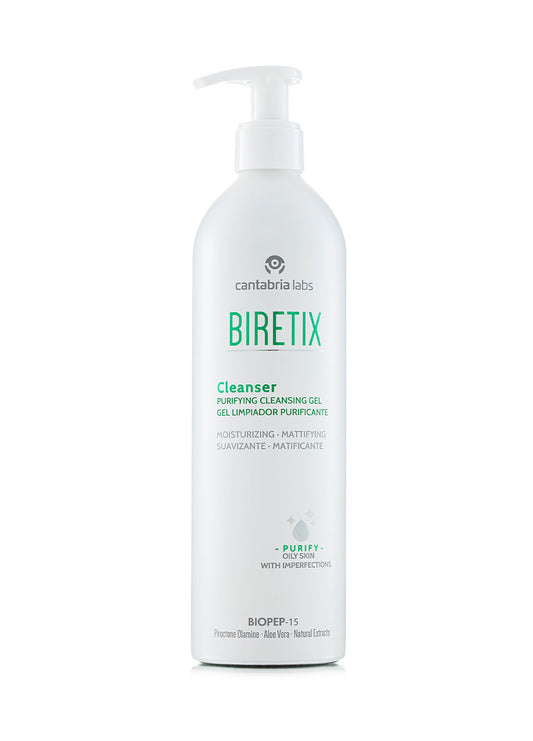
How to use: After using the BIRETIX Cleanser to remove makeup and impurities, apply a small amount to a cotton pad and gently wipe over the skin. Follow with a light moisturiser.
Night 2: Retinoid - Boost skin cell turnover & reduce breakouts
Goal: To promote skin cell turnover, boost collagen production, unclog pores, reduce inflammation and treat and prevent breakouts.
Recommended active ingredient: BIRETIX Tri-Active Gel. This triple-action serum contains dermatologist-proven ingredients to exfoliate, clear pores, control acne-causing bacteria, control sebum and reduce redness. The BIRETIX Tri-Active gel is specifically formulated for very sensitive skin, and it may be possible to use this product every single day without irritation. However, it’s always worth remembering that no skin is the same; if you know your skin is incredibly sensitive and you are concerned about reacting, then incorporate the Tri-Active gel into a skin cycling routine first. After a few weeks, you’ll be able to use this product every single day for even better results.
How to use: After using the BIRETIX Cleanser to remove makeup and impurities, apply a pea-sized amount. Ongoing use will improve results.
Nights 3 and 4: Recovery - Repair the skin barrier
Goal: The recovery nights will give the skin the opportunity to heal and rebalance, preventing the risk of over exfoliating or compromising the skin barrier.
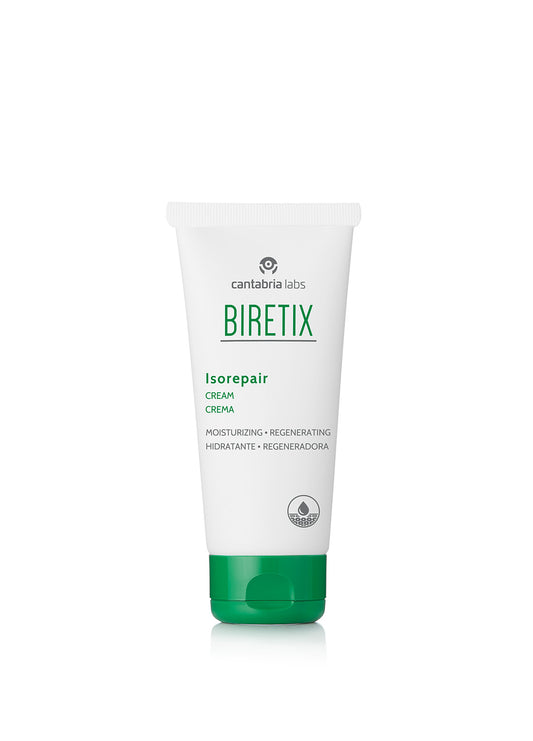
Recommended product: BIRETIX Isorepair. This intensely hydrating skin recovery cream is formulated with barrier repair technology to soothe, restore and renew compromised skin barriers. It supports skin health and provides effective recovery without clogging pores, perfect for sensitive, acne-prone skin.
How to use: After using the BIRETIX Cleanser to remove makeup and impurities, apply a small amount to the face and neck and allow it to fully absorb.
Repeat
Many individuals can continue this skin cycling routine for around six weeks. However, progression should always be guided by skin tolerance, rather than a fixed timeline.
“This is particularly important for those using prescription treatments, or with sensitive or eczema-prone skin. If their skin is still irritated by using active ingredients 2-3 times per week, try reducing to once per week. You can then attempt to gradually increase again in the future.”
Once good tolerability has been reached, we recommend increasing your usage of BIRETIX products. This should be done gradually - for example, you can use the Oil Control Solution and BIRETIX Tri-Active Gel every other day, with a view to using the full BIRETIX range every single day in future.

Top tips for skin cycling
Introduce active ingredients gradually
Active ingredients like retinol can transform the skin, but when it is applied too frequently or in too high a volume, side effects may be experienced. These reactions include dryness, redness, peeling and itching. Some individuals may also experience a transient increase in acne spots when starting a retinoid, which some people refer to as purging.
Reactions to active ingredients are usually temporary, but it’s still important to build the skin’s tolerance gradually for minimal irritation with maximum efficiency, especially with sensitive, acne-prone skin.
Retinoid reactions: what’s normal, and what’s not
Normal reactions within the first few weeks
- A temporary increase in acne lesions
- Mild dryness
- Mild tightness
Adverse reactions
- Persistent redness
- Burning
- Stinging
- Worsening eczema flare-ups
- Progressively worsening irritation
“If adverse reactions are experienced, the individual should reduce the frequency or pause actives altogether and use a moisturiser alone until the skin has improved. If it doesn’t settle, seek medical advice.”
Choose gentle formulations
A gently hydrating moisturiser on every night of the cycle will minimise potential dryness and discomfort, especially when using active ingredients. In terms of actives, try to seek out gentle alternatives if you notice reactions. For example, rather than using salicylic or glycolic acid, try a gentle option like lactic acid. This will give the skin the best chance to adjust throughout the routine and minimise reactions.
Follow a morning routine
Skin cycling typically focuses on evening skincare, but it’s still important to follow a morning skincare routine of cleansing, moisturising and applying SPF. Sun protection is extremely important when using chemical exfoliants and retinoids, as they increase the skin’s sensitivity to UV radiation.
Be consistent
You’ll see the best results when you are consistent, so try to stick to your skin cycling routine, whilst bearing in mind the normal and adverse reactions to active ingredients. Try to make other healthy lifestyle choices like staying well hydrated, eating a balanced diet with plenty of fruit and vegetables, and getting enough sleep.
By following a skin cycling routine that involves using active ingredients strategically, with plenty of recovery time for the skin’s barrier function, even the most sensitive skin types can optimise results with minimal irritation. Many people are able to get their skin into a position where amazing active products can be used several times per week, if not every single day.
Discover the BIRETIX Range for Acne-Prone Skin
BIRETIX offers dermatologist proven skincare designed to support every stage of acne-prone skin, from early breakouts to persistent adult acne. The range includes two targeted regimes to suit different needs and life stages. The BIRETIX Regime for Adult Acne-Prone Skin combines the Double Correction Serum, Cleanser and Hydramat to help manage breakouts while supporting hydration, skin renewal and barrier health. For younger or more persistent acne, the BIRETIX Regime for Adolescent/Persistent Acne-Prone Skin features the Tri-Active Gel, Cleanser and Hydramat, delivering powerful yet well-tolerated actives to reduce imperfections, control excess sebum and soothe sensitive skin. The BIRETIX range provides a complete, expert-led approach to clearer, healthier-looking skin at every stage of the acne journey.