How winter damages the skin barrier: Humidity, temperature shock & TEWL increase
Published on 15 January 2026Cold weather can put a lot of stress on the skin barrier, affecting hydration levels, lipid balance and inflammatory responses. We explain the wintertime risks to the skin, and the steps we can take to protect, repair and regenerate compromised skin barriers.
Why the skin barrier struggles in winter
The skin barrier is the outermost layer of the epidermis, the stratum corneum. This layer is formed by corneocytes - flat, keratin-filled cells - which form a protective barrier against water loss, germs and irritants.
During the autumn and winter months, environmental and behavioural changes can disrupt the balance of the skin barrier. Temperatures and humidity levels fluctuate between the cold outdoors and dry central heating, stripping the skin of its natural oils and reducing water content in the stratum corneum. This weakens the skin barrier and makes it more susceptible to damage.
At the same time, the skin becomes thinner and skin cell turnover continues to slow with age as each season changes, affecting skin barrier renewal and immunity.1
Common signs of winter skin barrier stress include dryness and tightness, visible flaking, increased roughness, itching or stinging when applying previously tolerated products, increased sensitivity and unexpected breakouts.

Low humidity: The most important winter stressor
As we’ve mentioned, humidity plays a key role in skin hydration. The cold air outdoors holds significantly less moisture than warm air. So when humidity levels drop, water evaporates more quickly from the skin’s surface.
Indoors, central heating compounds the problem by further lowering humidity levels and drawing more water out of the stratum corneum. When the skin is this dehydrated, it becomes less efficient at retaining moisture, which has a knock-on effect.
As hydration levels fall, the enzymes involved in lipid processing in the skin work less effectively. This weakens the structural integrity of the skin barrier, leading to transepidermal water loss (TEWL) Over time, this cycle leads to persistent dryness and reduced tolerance to external stressors.
Temperature shock: Moving between cold outdoors and heated indoors
Winter skin is not only challenged by the cold itself, but also by continual changes in temperature.
When we move between cold outdoor environments and warm indoor spaces, our skin is forced to adapt quickly. This triggers vasoconstriction, the narrowing of blood vessels and reduction in flow near the skin’s surface. An increase in temperature then reverses this process through vasodilation, where blood vessels widen. Repeated cycles can stress blood vessels, leading to discomfort and redness, especially in reactive skin types. If you suffer from existing skin conditions, such as eczema or rosacea, it’s very common to experience flare ups in these conditions.
Sudden temperature shifts also affect the lipid matrix of the stratum corneum. Lipids, the natural fats in the skin, become less flexible in colder conditions. This impairs skin barrier cohesion and leads to increased TEWL.
TEWL (Transepidermal Water Loss): What it is and why it spikes in winter
TEWL is the natural and continual evaporation of water from the deeper layers of the skin, through the epidermis.
When the skin barrier is healthy, TEWL remains low and stable. But when the skin barrier is compromised, such as during the winter months, TEWL will increase. This is owed to reduced humidity which accelerates evaporation. The skin barrier lipids are disrupted, due to dehydration and temperature changes.
Elevated TEWL levels are not just a marker of skin dryness. As water content drops, inflammation increases and nerve endings are less protected. This is what contributes to stinging, burning and skin redness.
Why winter barrier damage leads to sensitivity, redness & irritation
A compromised skin barrier allows irritants to penetrate more easily. This includes bacteria, viruses and environmental aggressors, but also ingredients that are usually well tolerated.
Once irritants enter the skin, they activate an inflammatory cascade. When the skin cells are damaged, they release pro-inflammatory cytokines that send alarm bells throughout surrounding cells. This leads to a secondary inflammatory release and the symptoms we associate with inflammation, including redness, swelling and pain. This is why many people often describe their skin as suddenly sensitive when the weather turns cold.

Who is most at risk?
While winter weather can affect everyone, certain skin types experience barrier disruption more intensely.
Sensitive skin types may have fewer barrier lipids, which makes them less adaptable to environmental changes. People who use retinoids or are undergoing professional treatments may also have a temporarily compromised barrier, which increases TEWL and reactivity.
Those who suffer with eczema, psoriasis, rosacea and other skin conditions will also experience altered lipid composition and heightened inflammatory responses, which cold weather can exacerbate.
Ageing skin is also more vulnerable. Over time, natural lipid production declines and recovery after environmental stress slows, meaning the skin needs more skin barrier support.
How to support the skin barrier in winter
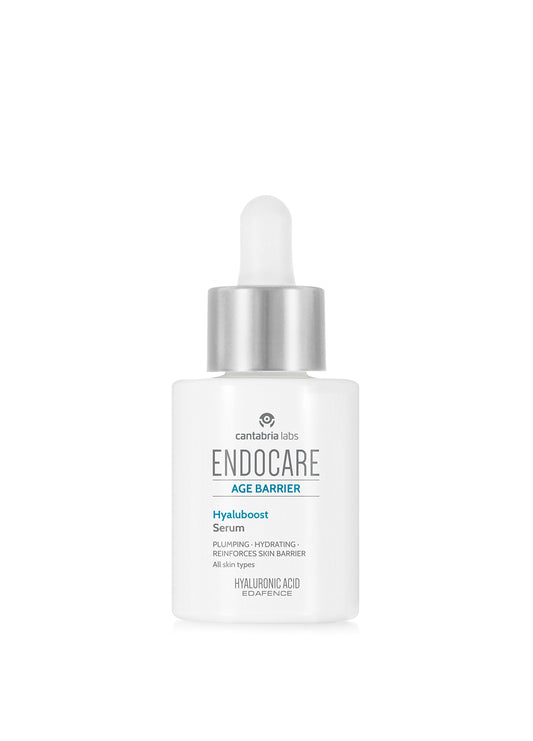
To protect the skin barrier and keep the skin healthy and resilient through the winter, skincare routines should focus on reducing water loss, restoring lipids and limiting unnecessary irritation. That’s where the ENDOCARE AGE BARRIER range comes in.
Lipid-replenishing ingredients, such as hyaluronic acid, will support barrier structure, while niacinamide will help to improve barrier function as well as improving texture and reducing redness. Both of these powerful, dermatologically-proven ingredients are included in the ENDOCARE AGE BARRIER category.
Unique technologies, such as the EDAFENCE®, will also work to strengthen the skin barrier and calm sensitive skin. Developed by Cantabria Labs, experts in dermatology and the creators of HELIOCARE 360°, the ENDOCARE AGE BARRIER range offers a selection of protecting and repairing formulations that are essential for anyone on a skincare journey.
Gentle cleansing is essential, too. Harsh products or methods will remove lipids that the skin cannot easily replace in low-humidity conditions. Consistent hydration will also help to maintain skin moisture levels, flexibility and function.
The final step in your morning skincare routine should always be SPF. Even when temperatures drop, it is crucial to apply sun protection to protect the skin and the skin barrier from light-induced damage. Even on cloudy days, 80% of UV rays will penetrate through clouds. What’s more, up to 80% of UV rays are reflected back from snow, and 30% from water.2 So even when the days are short and the weather is cold and wet, our skin is still at risk of UV damage.
Beyond skincare, practical measures also matter. Try to minimise prolonged exposure to extreme cold, and protect the face with coats or scarves to reduce direct environmental stress.
The power of ENDOCARE
ENDOCARE is a scientifically advanced, anti-ageing skincare range that is designed to address every stage of the skin ageing process. Developed with expert dermatological knowledge, innovative active ingredients and patented technologies, ENDOCARE products are clinically proven to brighten the skin, improve texture, reduce pigmentation and diminish the appearance of wrinkles, leaving you with visibly radiant, more resilient, healthier-looking skin.
The ENDOCARE AGE BARRIER range is the ultimate choice for compromised skin in winter. The formulations will repair and regenerate compromised skin barriers and deeply moisturise the skin, with enhanced penetration and retention for both immediate and long-lasting hydration. In particular, the ENDOCARE AGE BARRIER Niacinal Serum Gel is ideal for sensitive or compromised skin types, nourishing and calming stressed skin and defending against environmental stressors. Powered by 10% niacinamide, EDAFENCE® technology and hyaluronic acid in nanovesicles for enhanced penetration and efficacy, it strengthens the skin barrier, increases hydration, improves firmness and reduces fine lines and wrinkles. When used daily, this fast-absorbing serum can improve skin barrier function by more than 40% in just two weeks, and boost skin hydration by 24% in just four weeks.3 It is perfect for use alongside retinol treatments to maintain skin barrier integrity whilst offering deep, soothing hydration.

Meanwhile, the ENDOCARE AGE BARRIER Hyaluboost Eye Contour is a lightweight formulation developed to target fine lines and early signs of ageing whilst improving elasticity around the eyes. Containing hyaluronic acid, niacinamide and EDAFENCE®, the fresh serum spreads easily and absorbs quickly, perfect for the delicate eye area. Suitable for all skin types and with excellent tolerance, it is proven to reduce the number of wrinkles by up to 28% in just two weeks,4 as well as leaving the skin feeling firmer and more hydrated.5

Winter can take its toll on the skin, with cold air, low humidity, indoor heating and sudden temperature changes all putting pressure on the skin barrier. But with the right approach, including targeted skincare like the ENDOCARE Age Barrier range, we can protect, repair and regenerate the skin barrier for healthy and resilient skin, no matter the weather.