The ABCDE rule of melanoma: How to check your moles this Skin Cancer Awareness Month
Published on 15 May 2026
Skin Cancer Awareness Month is a timely reminder to check your skin and prioritise sun protection. In the UK, melanoma is the 5th most common cancer, with around 17,500 new cases diagnosed each year1,2. Early detection plays a vital role in improving outcomes.
What is melanoma skin cancer?
Melanoma is a type of skin cancer that develops in melanocytes, the cells responsible for producing melanin - the pigment that gives skin its colour3. Although it is less common than other forms of skin cancer, it is considered more serious because of its ability to spread to other parts of the body if not detected early3,4.
It may develop from an existing mole or appear as a new mark on the skin. While it often occurs on areas exposed to the sun, such as the face, back, arms, and legs, melanoma can also develop in less visible areas, including the scalp, soles of the feet, or under the nails4. This makes it essential to check your skin regularly and understand what changes to look for.
Because melanoma can sometimes be difficult to recognise, Consultant Dermatologist Dr Emma Wedgeworth, who specialised in dermatology at the renowned St John’s Institute of Dermatology, shares what patients should be aware of:
“Melanoma has a greater potential to spread than other skin cancers, which is why early recognition and prompt assessment are so important.”
What Causes Melanoma?
Ultraviolet (UV) radiation from the sun is the primary cause of melanoma. It is made up of two types of rays that affect the skin differently. UVB rays are primarily responsible for direct DNA damage and play a key role in the development of skin cancer, while UVA rays penetrate deeper into the skin, contributing to premature ageing and cumulative, long-term DNA damage 5,6.
UV damage accumulates over time and plays a significant role in the development of skin cancer. Research suggests that nearly 87% of melanoma cases are linked to UV exposure7, making it one of the most preventable forms of cancer. Episodes of intense sun exposure can be particularly harmful; for example, experiencing blistering sunburn can more than double your risk of developing melanoma later in life8.
Understanding the long-term effects of sun damage and photoageing can help highlight why prevention is so important.
As someone who regularly educates patients on sun safety and skin cancer prevention, Consultant Dermatologist Dr Emma Wedgeworth explains why recognising potential warning signs early matters:
“Melanoma is one of the fastest rising cancers in the UK, but when detected early, it is highly treatable. Simple tools like the ABCDE rule empower people to identify warning signs early.”

Figure 1: Types of ultraviolet (UV) radiation and skin penetration. Adapted from The Surgeon General’s Call to Action to Prevent Skin Cancer (US Department of Health and Human Services, 2014).
What is the ABCDE rule of melanoma?
The ABCDE rule is a simple, dermatologist-recommended method used to assess moles for signs of melanoma9,10. It provides a practical framework for identifying changes that may indicate a mole requires further medical evaluation.
Each letter represents a key warning sign: asymmetry, border irregularity, colour variation, diameter, and evolution.

Figure 2: ABCDE characteristics used to identify potential warning signs of melanoma. Adapted from Melanoma UK guidance on skin checks and melanoma recognition
A - Asymmetry: When one half doesn’t match
Most healthy moles are symmetrical, meaning both halves look similar. If a mole appears uneven, with one half differing noticeably from the other, this may be a sign that it should be assessed more closely.
B - Border: Irregular or blurred edges
The edges of a benign mole are usually smooth and clearly defined. In contrast, melanoma may present with borders that appear irregular, ragged, or blurred.
C - Colour: Uneven or multiple shades
A uniform colour is typical of non-cancerous moles. If a mole contains multiple shades, such as brown, black, red, white or blue, it may warrant further attention.
D - Diameter: Larger than 6mm
Melanomas are often larger than 6mm in diameter, although they can be smaller when first detected10. Any noticeable increase in size should be monitored.
E – Evolving: Changes over time
Changes in a mole are one of the most important indicators of potential concern. This may include alterations in size, shape, colour, or texture, as well as symptoms such as itching or bleeding9.
Because melanoma does not always follow a predictable pattern, Dr Emma Wedgeworth explains why people should pay attention to any mole that appears unusual or changes over time:
“The ABCDE criteria is a very useful framework to assess moles. However, if anything about a mole concerns you - whether it's changing, looks different from your others, or just doesn't feel right - get it checked!”
How to perform a skin check at home
Regular self-examination is an important habit that can support early detection of melanoma and other skin cancers9,11. Ideally, your skin should be checked once a month in a well-lit space using a mirror. It’s important to examine all areas of the body, including the back, scalp, and soles of the feet.
Taking photographs can help you monitor changes over time, particularly if you have multiple moles. Supporting your skin with a consistent routine can also help you stay more aware of changes.
Drawing on her experience diagnosing skin cancer in clinic, Dr Emma highlights some of the areas patients most commonly overlook during self-checks:
“Patients often miss areas like the scalp and back. A thorough, consistent monthly check is one of the most effective habits for early detection.”
Who is most at risk of melanoma?
Melanoma can affect anyone, but certain factors can increase your risk3,7. These include fair skin that burns easily, a history of sunburn, a high number of moles, and a family history of skin cancer. Frequent UV exposure, including sunbeds, also increases risk7.
It’s important to recognise that melanoma can occur in all skin types and may appear differently in darker skin tones, sometimes developing in less visible areas such as the palms, soles of the feet, or under the nails3,12.
Dr Emma Wedgeworth notes that melanoma may not always appear the same across different skin tones:
“Melanoma can affect all skin types and may present differently depending on skin tone.”
The role of sun protection in prevention
Melanoma risk is more strongly associated with intermittent, intense sun exposure, which is why it’s particularly important to be diligent with sun protection from spring through to summer, when UVB levels are higher7,8. Using a high-protection SPF during these months and reapplying regularly, is one of the most effective ways to help reduce risk7.
At the same time, building consistent, year-round sunscreen habits is recommended as it supports overall skin health. Applying a broad-spectrum SPF daily helps protect against UVA rays too, which are present throughout the year and contribute to cumulative skin damage, including DNA damage, premature ageing and pigmentation7,13. Reapplication remains important during periods of prolonged or intense sun exposure.
Sun protection should also include simple behavioural measures, such as seeking shade during peak UV hours and wearing protective clothing, including hats and sunglasses7. If you're unsure where to start, understanding how to choose the right SPF for your skin type can make daily protection easier and more effective.
Dr Emma Wedgeworth highlights why consistent sun protection habits matter, even in the UK climate:
“UV exposure occurs year-round even in the UK, so SPF should be part of your daily routine. In periods of long or intense sun exposure you should also reapply every 2–3 hours and after swimming or towel drying.”
Why early detection matters
Melanoma is highly treatable when detected early. Being familiar with your skin and recognising changes can make a significant difference. If you notice anything unusual, it is always best to seek professional advice.
Dr Emma says:
“If in doubt, always get a mole checked. Early detection saves lives.”
Take control of your skin health
Understanding the ABCDE rule is a simple but powerful way to stay proactive about your skin health. Combined with daily sun protection and regular checks, it can help reduce your risk.
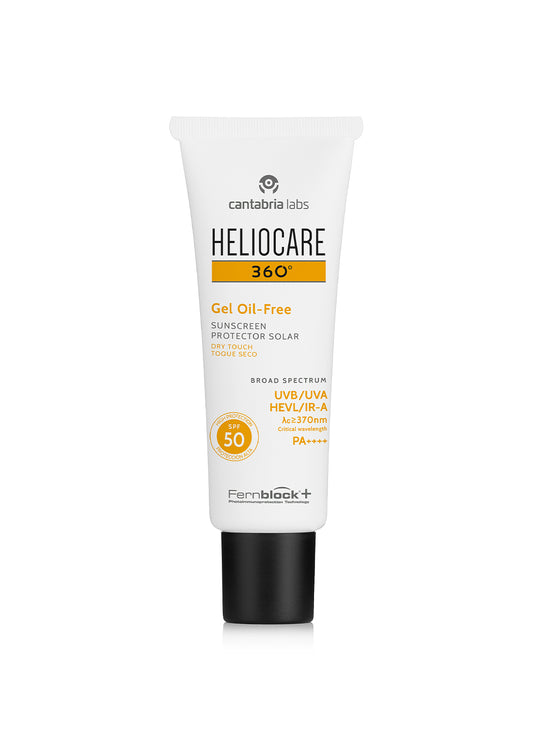
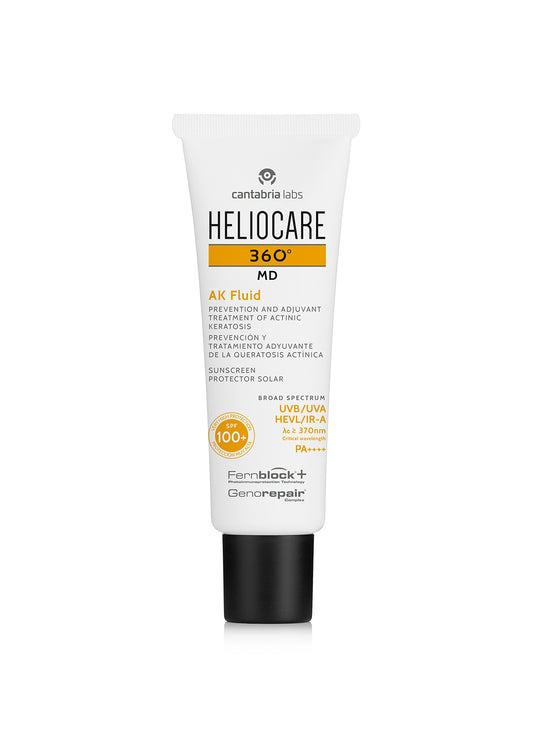
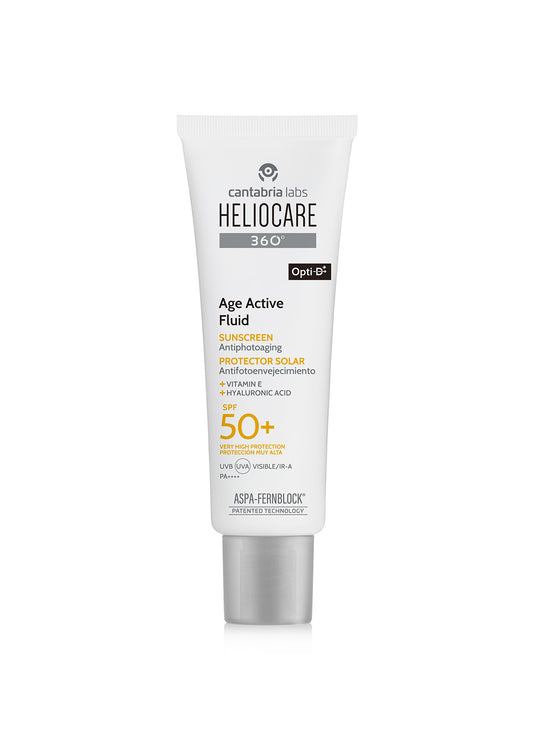
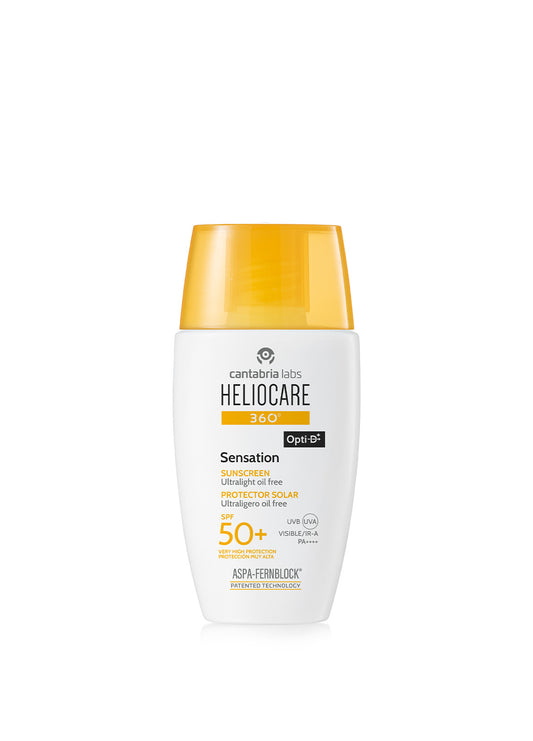
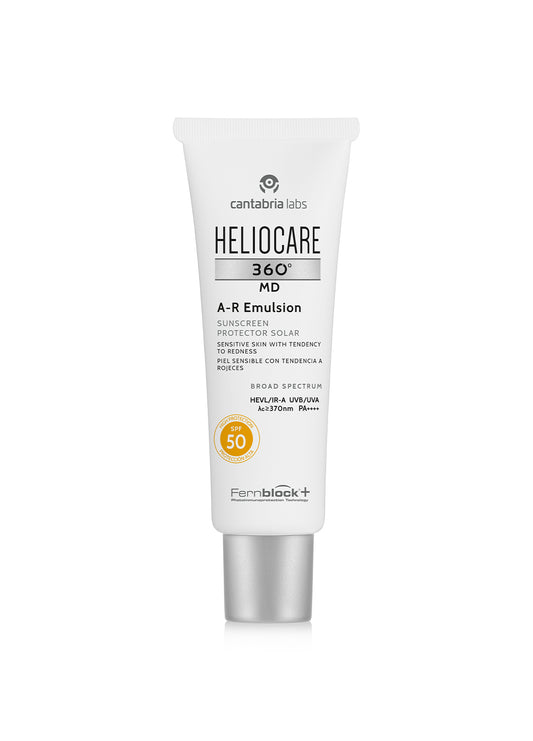
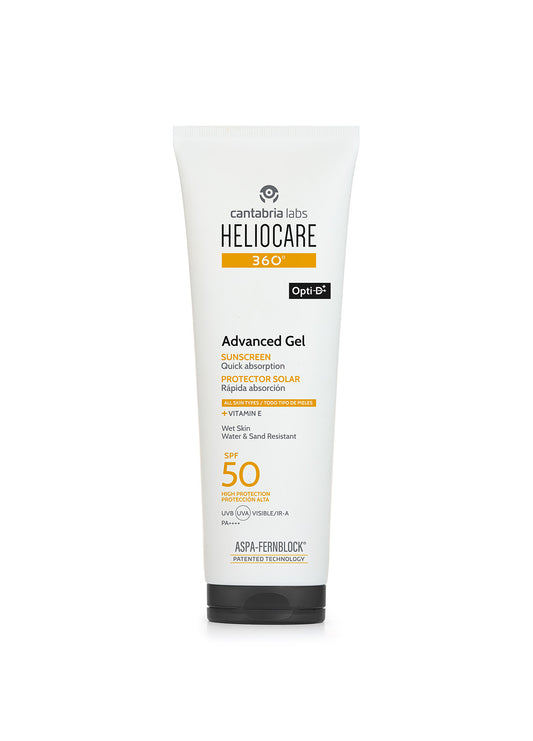
To support your routine, explore the HELIOCARE range and find the right protection for your skin type. Take the HELIOCARE skin quiz to find your ideal daily SPF.
If you are concerned about any changes to your skin, including new or existing moles, it’s important to seek advice from a Dermatologist or your GP as soon as possible.