Does blue light make hyperpigmentation worse in winter?
Published on 28 January 2026Hyperpigmentation is a common disorder involving areas of skin that appear darker than the surrounding skin. This is due to increased melanin production, the pigment responsible for skin colour.
Hyperpigmentation can be linked to a number of conditions (including autoimmune diseases, infections and pregnancy), but it is most often linked to sun damage. This is because excessive sun exposure leads to excessive melanin production, which leads to irregular patches on the skin. These patches can develop anywhere on the body, but are most common in areas that are exposed to the sun, including the face and hands.

Why hyperpigmentation often feels harder to control in winter
Wintertime can be confusing for pigmentation-prone skin types. While sunlight is less intense, the days are short and we spend more time indoors, existing pigmentation still persists, and in some cases, it worsens. This is because hyperpigmentation isn’t just caused by intense periods of UV but frequent, low-level exposures to all types of light, including visible light and blue light.
What is blue light and where does it come from?
Blue light, also known as high-energy visible (HEV) light, is part of the visible light spectrum and has short wavelengths ranging from 400–495 nanometres. Although these wavelengths are short, they carry a high amount of energy. We often associate blue light with screens and digital devices, but the sun is actually the biggest source. The reason the sky appears blue is because blue light from the sun has short, powerful wavelengths that scatter more widely than other colours.
Other sources of blue light include TVs, computers, smartphones, tablets and LED lighting. Many of us spend a lot of time in front of these devices, or underneath artificial lights. When combined with the time we spend outdoors in the sun, it’s easy to see how much blue light exposure we experience every day.

Furthermore, unlike UVB rays, blue light can pass through window glass, meaning we’re exposed indoors during daylight hours. All of this combined means frequent, low-level exposure to blue light.
A certain amount of blue light is beneficial. It helps regulate our circadian rhythm and supports mood, alertness and cognitive function.1 However, excessive exposure comes with risks, particularly from digital devices, because of the close proximity and time spent using them.
Because blue light has short, high-energy wavelengths, it can penetrate deep into the dermis, where it may cause inflammation and weaken the skin barrier. This can leave skin feeling irritated, itchy and more prone to infection. Blue light also triggers oxidative stress, leading to the breakdown of collagen and elastin, which contributes to wrinkles and sagging. Blue light also causes long-term pigmentation of the skin.
How hyperpigmentation develops in the skin
To understand hyperpigmentation, we need to understand melanin. Melanin is the pigment that is responsible for the colour of our skin, hair and eyes. Our natural colouring depends on how much melanin is produced by our melanocytes, the specialised cells that exist deep within the basal layer of skin. Melanin plays a very important role in our natural sun protection, as it helps to protect cells from UV damage. Most of the time, melanocytes produce a normal amount of melanin, and it is evenly distributed throughout the skin. Sometimes this melanin may cluster in spots, which is what appears as freckles. Everyone has a similar amount of melanocytes, but genetics dictate how much melanin they produce. More melanin is produced in dark skin tones, while less melanin is produced in lighter skin.
While genetics play a key role in melanin production, UV radiation and visible light will also have an impact. When we are exposed to light, melanocytes respond by producing more melanin to absorb UV rays. Once activated, melanocytes remain responsive, especially in pigment-prone skin. And so with ongoing exposure, this increase in production leads to hyperpigmentation, irregular skin tone and long-term discolouration.
The science of blue light and pigmentation
There is ever-growing research around the relationship between blue light and pigmentation. Current evidence shows that blue light induces skin changes including alterations to chromophores (the part of molecules that is responsible for colour) as well as signs of photoageing, including hyperpigmentation.2 Studies also indicate that visible light can induce longer-lasting pigmentation compared to UV alone in some skin types. This is due to the deeper penetration and sustained activation of melanocytes.3
Of course, it is important to place these findings and facts in context. Blue light has lower energy than UV, and its effects can be seen gradually over a long period of cumulative exposure. Therefore, screens alone will not drive hyperpigmentation. But it is important to understand how frequent, unprotected exposure to digital devices, artificial light and visible light can increase hyperpigmentation, especially in pigment-prone skin types.
Blue light, pigmentation and winter lifestyle patterns
Our routines often shift in the winter, altering our daily exposure patterns. Throughout the day, we spend multiple hours in front of screens, often underneath artificial lighting. LEDs in particular should be noted, as they emit high proportions of blue light. This constant, low-level exposure is what contributes to skin damage and hyperpigmentation. What’s more, daily sun protection may feel unnecessary during the colder months, meaning our skin is even less protected than in the summer months.
The absence of heat, sunburn and tanning can also create a false sense of security. But pigmentation activity in the skin does not require visible signs of damage or inflammation, and melanin pathways can be activated without obvious surface changes.
How dermatologists treat pigment-prone skin year-round
To prevent hyperpigmentation and protect pigment-prone skin types all year round, dermatologists encourage us to move beyond UV-only thinking. Full-spectrum skin protection recognises that pigmentation is influenced by cumulative exposure to multiple types of light, not just sunburn-causing UVB rays. That’s why we need to take a broader approach, considering UVA, visible light (including blue light) and infrared-A, all of which can stimulate melanin production and contribute to long-term pigmentation changes.

Blue light is especially relevant for pigment-prone skin, as it penetrates so deeply and triggers the prolonged melanin activity that leads to stubborn, long-lasting discolouration. Because exposure occurs both outdoors and indoors, our full-spectrum protection needs to be consistent rather than seasonal.
It is impossible to eliminate exposure entirely, but we can use strategies that fully protect the skin and support pigment stability. This means using high-level, full-spectrum formulations designed to defend against visible light, as well as UV, every single day. For those prone to pigmentation, a consistent year-round routine will be much more effective than reactive changes based on the weather, or the time of year.
Blue light exposure isn’t something to fear, but understanding its cumulative impact is important for skin health. By shielding our skin from the full spectrum of light, we can reduce hyperpigmentation and support healthier, more even-looking skin over time.
Winter doesn’t switch off pigment triggers
Winter does not remove the risk of skin damage: it simply changes how and where exposure occurs. More time spent indoors, increased screen use and greater reliance on artificial lighting shift the balance of light exposure, rather than reducing it. For those managing hyperpigmentation, this reinforces the importance of a year-round, full-spectrum approach to protect against both natural and artificial light.
That’s where HELIOCARE 360° comes in. Our clinically-proven range, backed by research and loved by skin experts across the globe, offers the ultimate in full-spectrum protection against all types of light. HELIOCARE’s Special Care range contains formulations designed for every skin concern and indication, including hyperpigmentation. The HELIOCARE 360° Pigment Solution Fluid is the perfect choice, offering high-level daily sun protection, with the addition of powerful ingredients that prevent and correct hyperpigmentation.

This light and silky fluid features an innovative, dual-action depigmenting system that works in tandem to prevent the overproduction of melanin. Niacinamide inhibits the transfer of melanin, while ellagic acid reduces melanin synthesis. The fluid also has a subtle nude tint to immediately blur blemishes and create a more even skin tone. And as with every HELIOCARE 360° product, it is supercharged with clinically-proven, patented plant extract Fernblock®, which is clinically proven to boost the skin’s resistance to sunburn and protect against the full radiation spectrum of UVA, UVB, visible light and infrared-A. Activity is further boosted by ASPA-Fernblock® technology, which provides protection against oxidative stress as well as maintaining optimal vitamin D function.
Winter hyperpigmentation skincare routine
For the ultimate hyperpigmentation skincare routine, team the HELIOCARE 360° Pigment Solution Fluid with NEORETIN, our advanced range for pigmentation-prone skin. NEORETIN formulations are powered by advanced retinol and pigment-control technologies, RetinSphere® and Azelaic in Aox-TECH, which work to reduce existing discolouration whilst preventing the formation of new dark patches. The formulations are further boosted by bakuchiol for skin renewal, and hyaluronic acid for intense hydration.
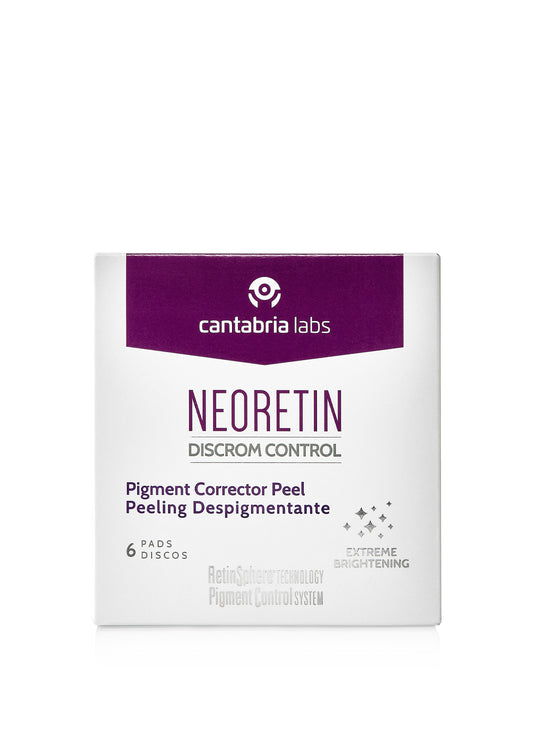
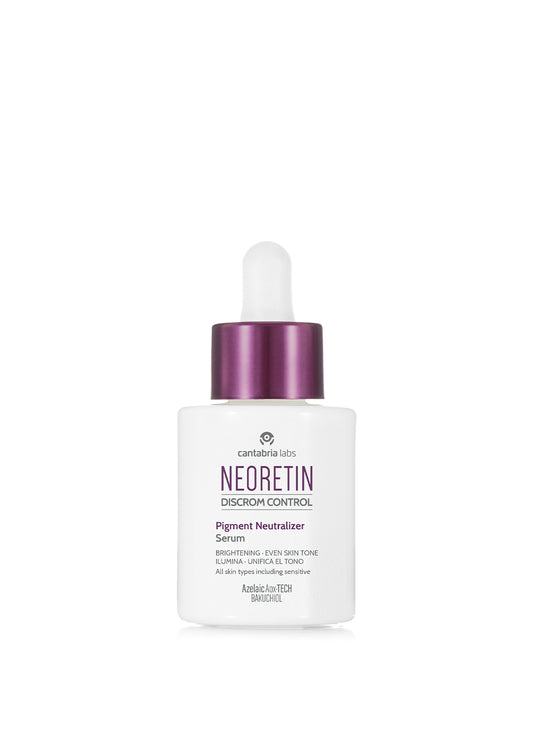
NEORETIN is clinically-proven to improve hyperpigmentation by targeting every stage of the melanin production cycle, leaving you with brighter, more even and healthier skin. The range features two targeted products: NEORETIN Pigment Neutraliser Serum and NEORETIN Pigment Corrector Peel Pads. The serum is designed to address pigmentation with minimal irritation, making it suitable for all skin types, including sensitive skin. The Pigment Corrector Peel Pads are a weekly peeling treatment, expertly formulated to boost the results of other depigmenting products by offering gentle exfoliation and renewal.

For a limited time only, you can receive 50% off NEORETIN Pigment Neutraliser Serum and the Pigment Corrector Peel Pads when you purchase the HELIOCARE 360° Pigment Solution Fluid. This incredible offer is the ultimate hyperpigmentation-focused skincare routine, protecting the skin against damage caused by all forms of light, including blue light.
Blue light is not the sole cause of hyperpigmentation, but it does contribute to pigment activity as part of a broader pattern of light exposure. That’s why we need to apply high-level, full-spectrum protection, every single day, even when it’s not hot and sunny outside.